

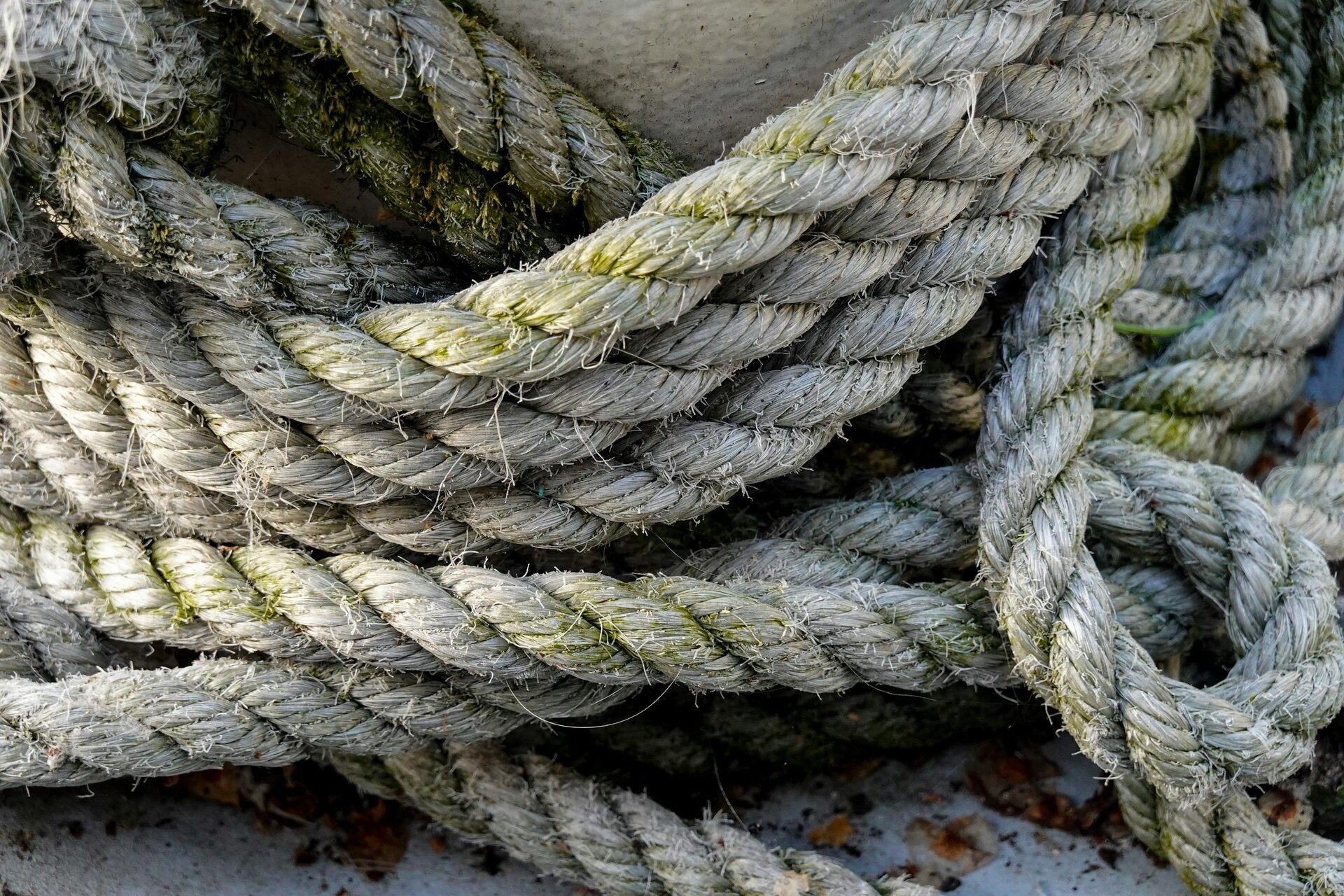
Cordage
Cordage is a broad, umbrella term for all flexible, fibrous materials used for tying, pulling, or binding. Rope is a specific type of heavy-duty cordage characterised by its thickness and greater tensile strength, which is created by twisting or braiding multiple cords or fibres together.Royal Museums Greenwich +3
The Key Differences
- Scope vs. Specificity: "Cordage" is a general category that includes rope, string, twine, yarn, and cords. "Rope" is a single, distinct product within that larger category.Advanced Survival Training +1
- Thickness and Weight: Ropes are intentionally thick, robust, and designed to handle significant weight and stress. Cords and other forms of cordage are typically thinner and designed for lighter-duty applications.Rope and Cord: +1
- Applications: Rope is used in heavy-duty environments like construction, climbing, and maritime operations. Other forms of cordage (like twine or standard cord) are used for crafts, sewing, packaging, and gardening.
Rope Source +4
Types of Cordage
To understand how rope fits into the bigger picture, it helps to look at the different types of cordage:
- String: A thin, fine strand of unplied fibres, often used for securing light packages or basic crafts.
MeriWoolArt +2
- Twine: Similar to string, but typically thicker and often made of spun plant fibres like sisal or jute.
Advanced Survival Training
- Cord: Thicker than string but thinner than a full rope, often featuring a core and highly flexible. Examples include paracord used in camping and survival or pull cords on blinds.
Rope Source +1
- Rope: The thickest and strongest form of cordage, made of multiple strands plied together for maximum durability and load-bearing capacity.
Rope and Cord +4