

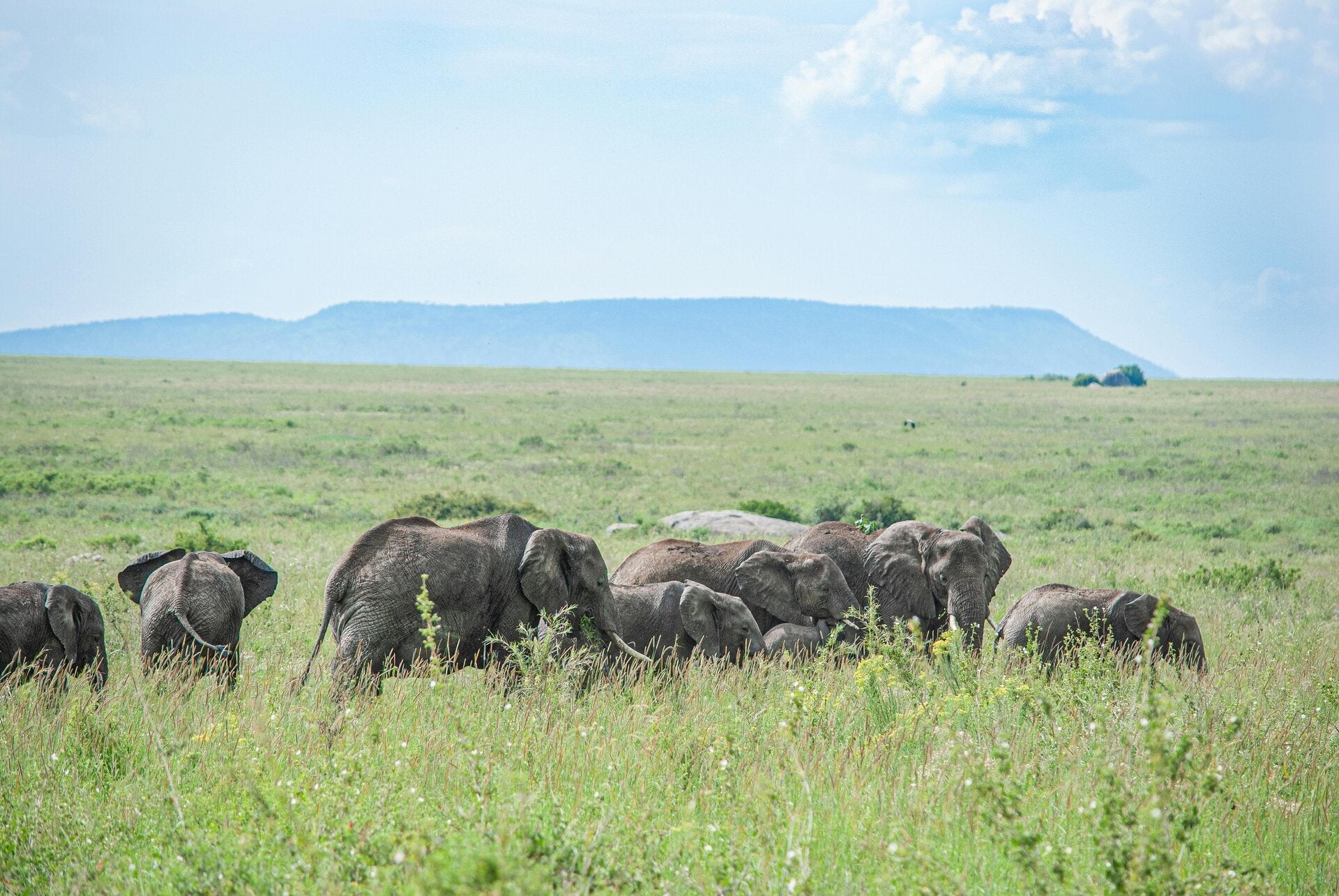
The Hadza (Tanzania)
The Hadza tribe (or Hadzabe) of northern Tanzania are among the last true hunter-gatherers on Earth. Their survival depends on an intimate, sustainable relationship with the savanna ecosystem, mastering techniques like crafting poison-tipped arrows, ambushing game, foraging wild honey, and relying on seasonal tubers and berries.
1. Primitive Weaponry and Hunting
The Hadza rely entirely on hand-crafted tools and incredible patience.
- Bows and Arrows: Bows are whittled from tree branches and strung with traded nylon or animal ligaments. Arrow shafts are straight branches fletched with bird feathers and tipped with either wood, bone, or traded iron.
- Poison: For larger game, they tip arrows with deadly plant-based poisons, typically extracted from the Adenium tree, which paralyses prey.
- Ambush Hunting: Instead of chaotic chases, Hadza hunters utilise stealth and patience. They will stand completely still near waterholes or fruit trees, waiting for the perfect, low-risk moment to strike.
2. Foraging and Food Gathering
Their diet is completely seasonal and relies on deep environmental knowledge.
- Wild Honey: Locating bee colonies by listening against tree bark, the Hadza climb without protective gear using carved notches. To manage the bees, they burn bundles of dry grass to create a calming smoke. They harvest sustainably, always leaving enough honey behind to ensure the bees survive.
- Tubers and Berries: Women and children are responsible for foraging. They know precisely which roots and tubers are safe to dig up, often acting as a crucial, reliable source of carbohydrates and hydration during dry spells.
3. Bushcraft and Resourcefulness
Living with minimal possessions, they use what nature provides.
- Fire Making: The Hadza can ignite a fire from scratch using traditional friction methods, spinning specific types of wood together to generate an ember. Fire provides critical warmth, light, and a means to boil meat and make nutrient-rich broths.
- Shelter: Temporary grass huts or simple rock shelters are built where food is abundant. Because they are nomadic, their belongings are limited to what they can carry, and they construct new shelters as they follow the shifting animal migrations and seasonal foliage.
- Medicinal Plants: They have a profound knowledge of the local flora, utilising various plants to cure illnesses, treat wounds, and alleviate pain.