

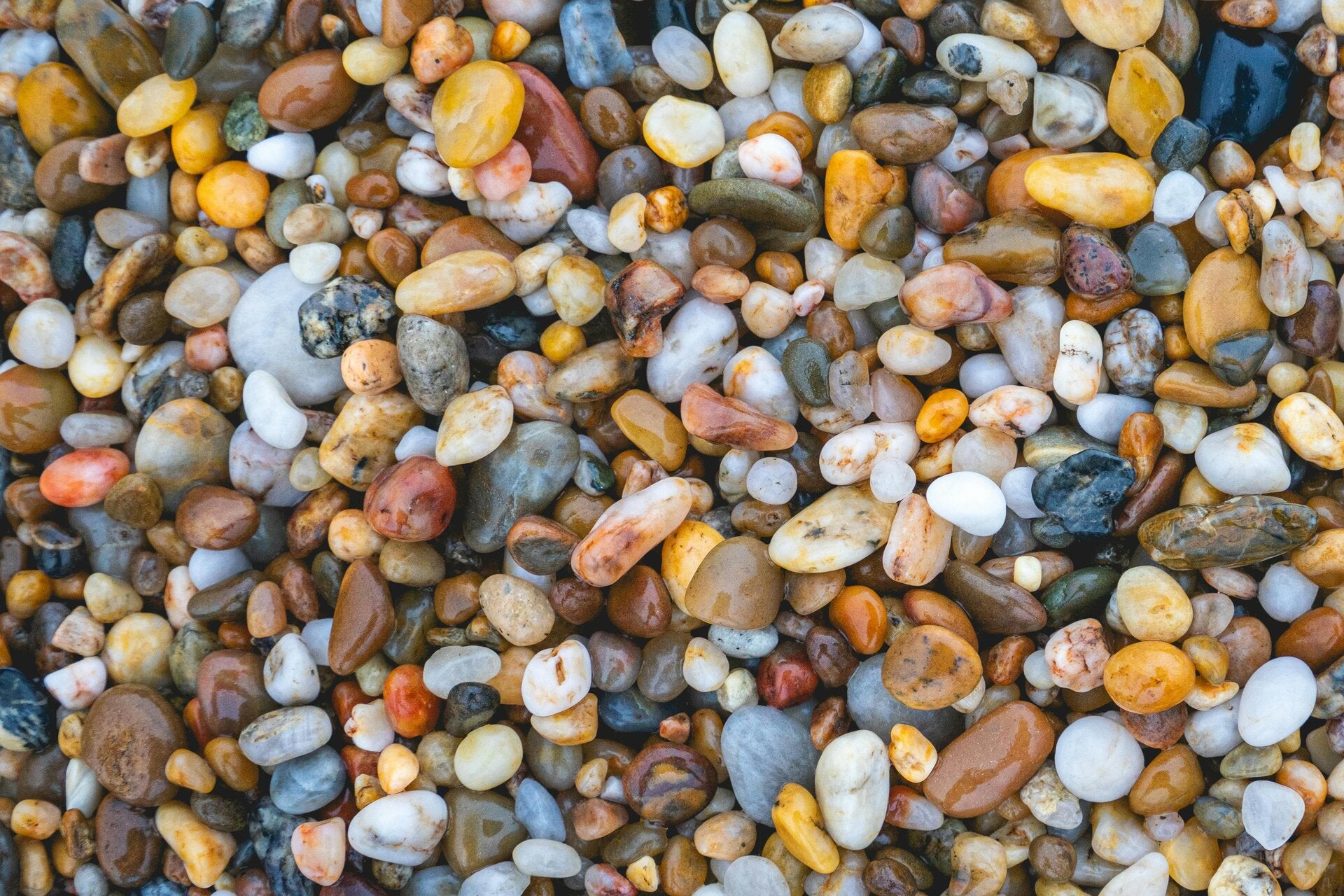
Collecting pebbles from beach
source
In the UK, removing natural materials like sand, pebbles, or shells from any beach is technically illegal under the Coast Protection Act 1949, with fines reaching up to £1,000. While small-scale foraging or sea glass collecting is often tolerated, doing so for survival requires navigating strict wildlife and property laws. [1, 2, 3, 4, 5]
Key Legal Constraints
- Natural Materials: Taking sand, pebbles, or rocks is banned primarily because they act as natural sea defences against erosion. [1, 2]
- Driftwood: Taking driftwood for personal use is widely allowed, provided it doesn't disturb local habitats. [1]
- Foraging (Foraging & Wildlife Act 1981): You are generally allowed to collect edible marine life (e.g., foraging for kelp, crabs, or mussels) for personal, non-commercial consumption. However, marine reserves, SSSIs (Sites of Special Scientific Interest), and Marine Conservation Zones often have total bans or strict bag limits. [1, 2]
- The Crown Estate: Nearly half of the UK's foreshore belongs to the Crown Estate. While they allow public access for recreational purposes, large-scale collection or commercial foraging requires a permit. [1, 2]
- Byelaws: Many coastal local councils implement bylaws dictating specific restrictions regarding camping, lighting fires/BBQs, and removing items.
Survival & Emergency Context
If you are stranded or in a genuine survival scenario, the right to roam and the necessity to sustain life can take precedence in emergency situations. However, if you are planning a survival excursion or looking to practise foraging, you must respect local environmental designations to avoid hefty fines or prosecution. [1]
For in-depth information on protected locations, check the official Crown Estate Coastal Access guidelines.