

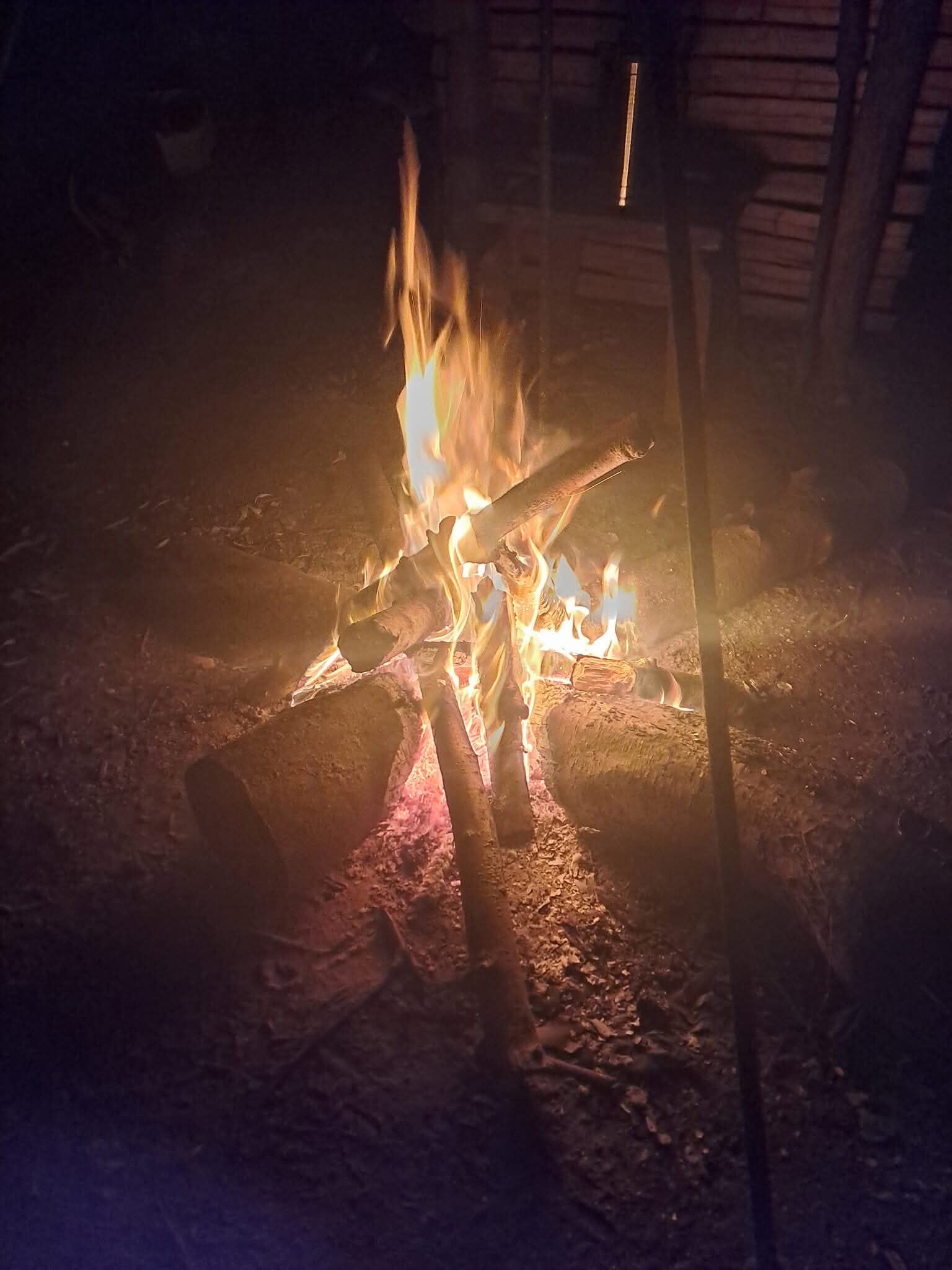
Bushcraft fires
In the UK, there is no blanket legal right to build a survival or campfire. Lighting fires on public or private land without the explicit consent of the landowner is generally considered trespass or criminal damage. [1, 2, 3]
The Legal Framework
- Landowner Permission: Every piece of land in the UK is owned by someone (e.g., the Forestry Commission, National Trust, private estates, or local councils). You must get their permission to build a fire, even in areas where you have "Right to Roam" access. [1, 2, 3]
- Criminal Damage: If a fire spreads or excessively scorches the earth, you can be prosecuted for criminal damage or arson. [1]
- The Highway Act (1980): It is an offence to allow smoke to drift across a public road if it obscures visibility and becomes a danger to traffic. [1, 2, 3]
- Smoke Control Zones: In many urban areas across the UK, you can be fined if your fire emits excessive smoke, particularly if you are not using approved, clean fuels. [1, 2, 3, 4]
- What You Can Burn: UK law strictly prohibits burning materials that generate toxic or dangerous fumes. This includes plastics, rubber, household waste, treated/painted wood, and flammable liquids. [1, 2, 3]
Regional Variations
- England & Wales: Lighting fires, even when wild camping, is strictly prohibited by law without express permission.
- Scotland: The Scottish Outdoor Access Code allows for responsible access, including some wild camping. However, it explicitly states that you should never light an open fire during dry periods or in vulnerable environments like woods, forests, or peaty ground. Stoves are highly recommended over open fires. [1, 2, 3, 4]
General "Leave No Trace" Best Practices
If you ever find yourself in a genuine, life-threatening survival situation or happen to have written permission from a landowner for bushcraft, follow strict safety guidelines to avoid legal and environmental trouble: [1, 2]
- Keep the fire small and manageable.
- Do not light fires directly on peaty ground, which can smoulder underground.
- Clear the ground of dry leaves and twigs to prevent it from spreading.
- Extinguish the fire completely with water until cold before leaving. [1, 2, 3, 4, 5]