

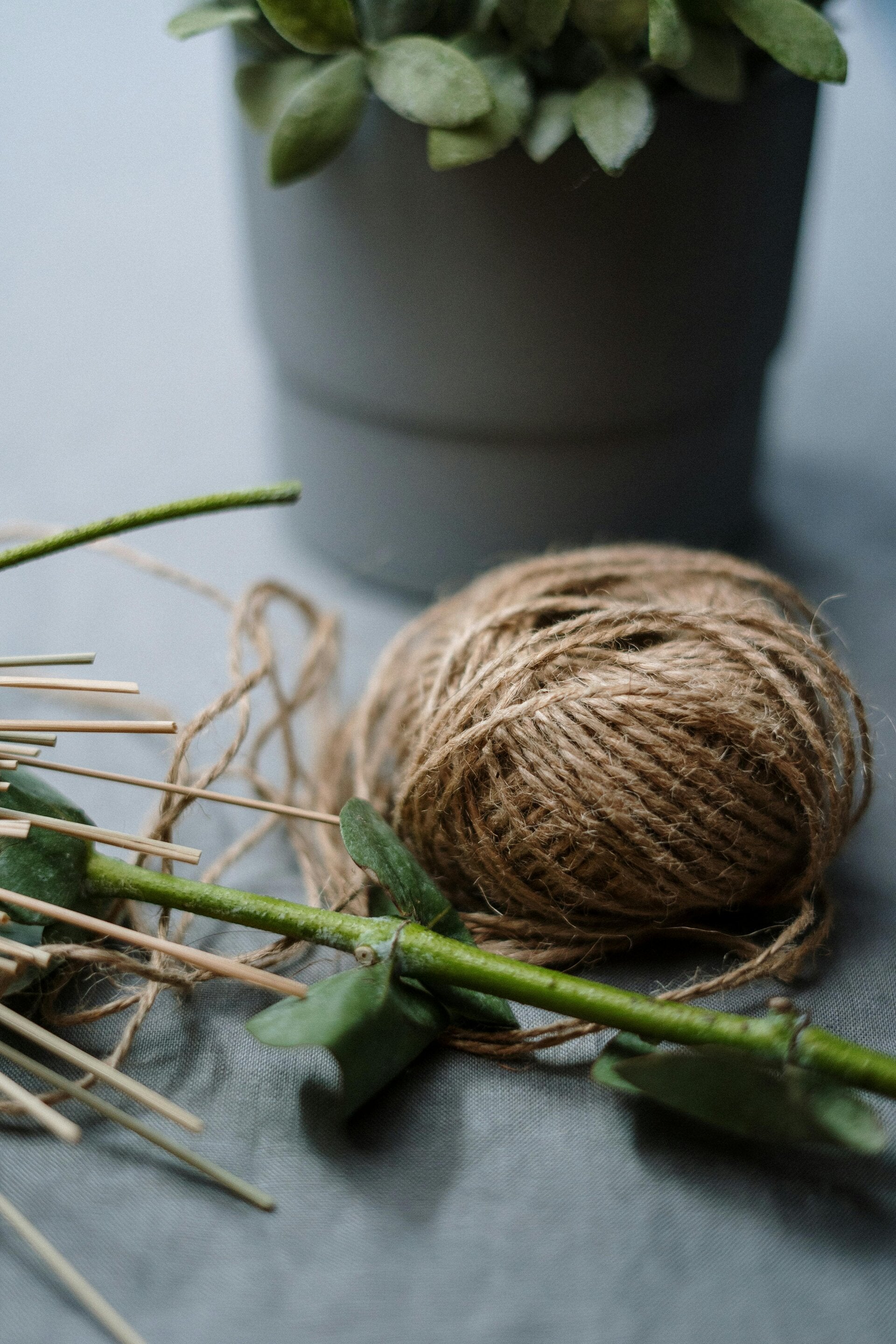
Natural cordage
To craft natural cordage in the UK wilderness, harvest stems or bark from plants like stinging nettles, willow, bramble, or Himalayan balsam. Extract the inner fibres, then use the reverse-wrap (or reverse-twist) technique by twisting two separate fibre bundles clockwise while wrapping them around each other counter-clockwise. [1, 2, 3, 4, 5]
Best UK Natural Cordage Materials
- Stinging Nettle (Urtica dioica): Widely agreed upon by UK bushcraft practitioners to produce some of the finest, strongest green string for fishing lines or trap triggers. Tip: Harvest tall, thick stems and dry or lightly rehydrate the fibres before twisting. [1, 2, 3, 4]
- Willow (Salix): The inner bark (bast) of willow is one of the oldest, strongest twines known in Europe. Peel the bark from fresh saplings and scrape off the green outer skin to reveal incredibly durable cordage. [1, 2, 3]
- Bramble (Rubus): The outer canes yield strong fibres. They are best harvested in late spring or early summer while flexible, though letting them dry and then wetting them will also yield a tough cord for baskets or lashings. [1, 2, 3]
- Himalayan Balsam (Impatiens glandulifera): As an invasive species found across the UK, its hollow stems are easily split and processed into temporary binding material. [1]
- Flag Iris / Bulrush (Iris pseudacorus / Typha): The dry, dead leaves from the previous season can be split and braided into heavy-duty cordage suitable for rope. [1, 2, 3, 4, 5]
How to Make Reverse-Wrap Cordage
- Prepare the Fibres: Take a bundle of your prepared plant fibres (e.g., nettle skins or willow bark) and fold them roughly in half to create a loop at the top. [1, 2]
- Form the First Twist: Hold the loop with your non-dominant hand. With your dominant hand, tightly twist both individual halves of the fibres away from you (clockwise). [1, 2, 3, 4]
- Wrap Together: Cross the two twisted bundles over each other towards you (counter-clockwise). [1, 2]
- Repeat: Continue the "twist away, cross over" motion. The two strands will naturally bind together. [1, 2, 3]
- Splicing: As a strand gets too thin, simply lay a new fiber over the thinning end and continue twisting to seamlessly "splice" it in. [1, 2]
Important Tips for Success
- Dryness Matters: Nettles and certain other green fibres should be allowed to dry slightly before twisting. If you twist them completely wet, the cordage will shrink and loosen as it dries, rendering the string weak.
- Splicing Direction: When splicing in new fibres, ensure the new piece is tapered or offset so you don't create bulky, weak bumps in your rope. [1, 2, 3, 4]