

"Miracle in the Andes"
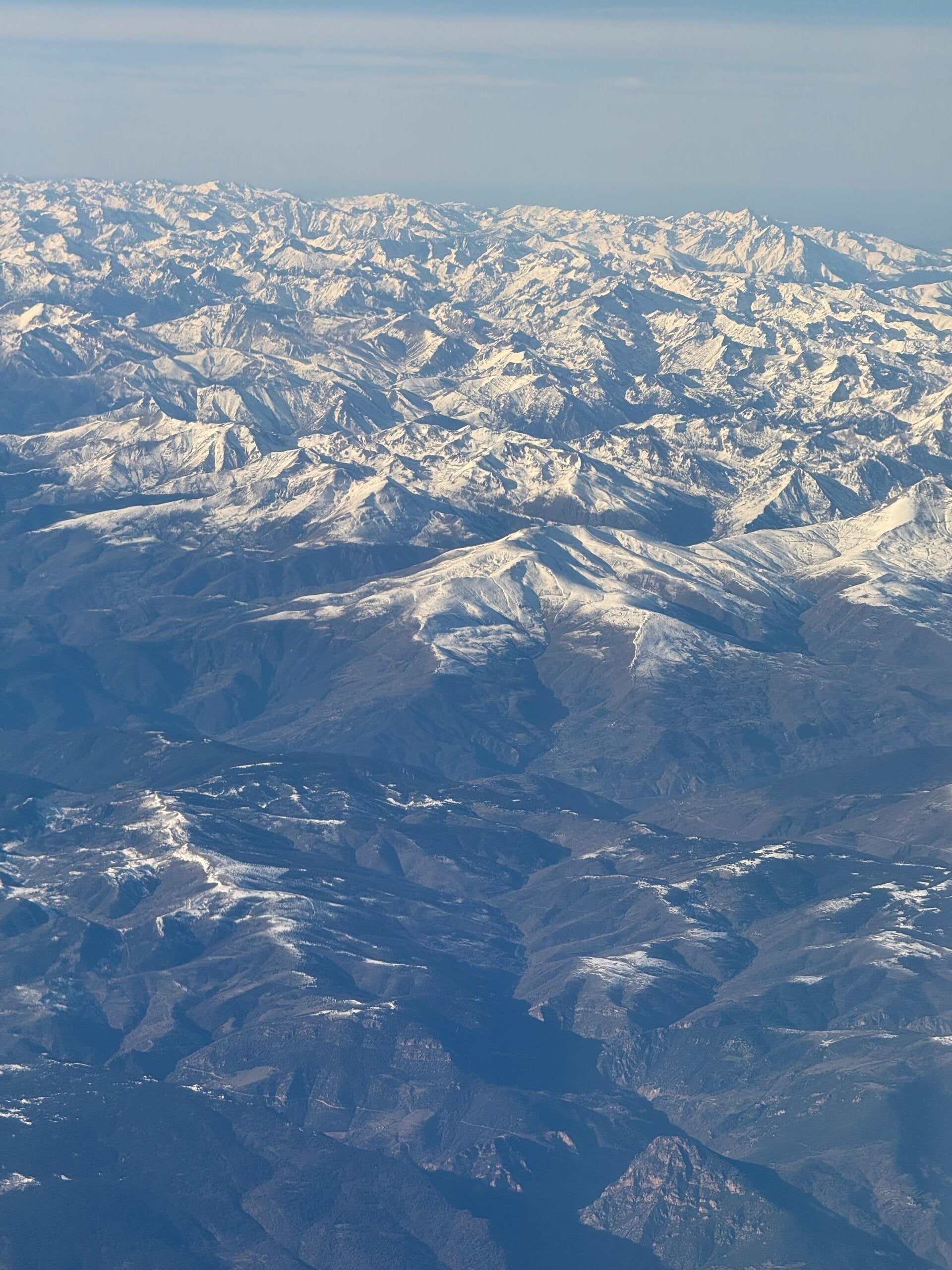
The "Miracle in the Andes" refers to the extraordinary 72-day survival story of 16 passengers following the crash of Uruguayan Air Force Flight 571 in the Andes Mountains on 13 October 1972. The chartered plane was carrying 45 people, including the Old Christians Club amateur rugby team, their friends, and family, from Montevideo, Uruguay, to Santiago, Chile.
The Crash and Immediate Aftermath
Due to severe weather and severe cloud cover, the pilots suffered a navigational error. They began descending too early, completely unaware that the plane was still flying directly through the high peaks of the mountains.
- The Impact: The aircraft clipped a ridge, tearing off both wings and the tail cone.
- The Slide: The central fuselage miraculously slid down a steep mountain slope like a toboggan.
- Initial Casualties: Out of 45 people on board, 12 died during or immediately after the impact.
Lifeless Wilderness and Ultimate Decisions
The remaining survivors found themselves stranded on a remote glacier at an altitude of over 11,000 feet (3,600 metres). They were completely unequipped for the brutal wilderness, lacking winter clothing, medical supplies, or substantial food.
- The Search Called Off: On their 11th day on the mountain, the group heard on a small transistor radio that the search for them had been officially called off.
- Extreme Measures: Facing absolute starvation, the group had to make the harrowing, collective decision to consume the bodies of those who had died.
- The Avalanche: On 29 October, a massive avalanche struck the wreckage where they slept, burying the fuselage and killing eight more people.
The Expedition for Escape
Realising that no rescue was coming, a select group of survivors began training for an escape mission. They constructed a crude sleeping bag out of insulation material from the tail of the plane to protect themselves from night-time temperatures that dropped below -30°C.
On 12 December, Nando Parrado and Roberto Canessa (along with Vizintín, who later returned to save rations) set out west toward Chile. Armed with zero mountain-climbing gear, they scaled a peak over 15,000 feet high, only to see endless mountain ridges ahead instead of the green valleys they expected. They pushed forward anyway.
Rescue and Legacy
After a brutal 10-day trek spanning roughly 37 miles, Parrado and Canessa finally reached the flowing rivers of the Chilean foothills. They spotted a Chilean muleteer named Sergio Catalán, who threw a message attached to a rock across a raging river. Catalán quickly rode for help, alerting authorities. On 22 and 23 December 1972, rescue helicopters airlifted the remaining survivors off the glacier. In total, 16 young men survived the 72-day ordeal
Lessons to be learned
1. Adaptive Leadership
- Dynamic roles: Leadership naturally shifted based on what the group needed at that exact moment.
- Specialised tasks: Medical students took charge of injuries, while pragmatic minds designed survival gear.
- Shared burden: No single person ruled; decisions were made collectively to maintain harmony and trust.
2. Radical Acceptance
- Face reality: The survivors did not waste energy on false hope after hearing the search was called off.
- Pivot quickly: They accepted their abandonment immediately and pivoted 100% of their energy toward self-rescue.
- Overcome taboos: Making the agonising choice to eat the deceased required shattering deeply ingrained mental barriers to preserve life.
3. Resourcefulness and Innovation
- Repurpose everything: insulation from the plane walls became sub-zero sleeping bags.
- Engineered tools: Luggage straps became snowshoes, and metal seat bottoms were turned into solar snow-melters for water.
- Protect assets: They meticulously preserved their few functional tools, knowing a single loss meant death.
4. Psychological Safety and Unity
- No blame culture: When critical mistakes happened—like accidentally stepping on a water collector—the group forbade finger-pointing.
- Emotional space: Survivors were allowed to weep or express despair without judgement, preventing mental breakdowns.
- The "Society": They viewed themselves not as individuals but as a single organism where the strong carried the weak.
5. Goal Splitting (Micro-Ambitions)
- One day at a time: Looking at a 72-day horizon would have caused despair.
- Focus on the next hour: They broke survival down into tiny, achievable goals, like surviving the next freeze or melting the next bottle of water.
- Action kills anxiety: Constant physical work kept their minds from spiralling into hopelessness