

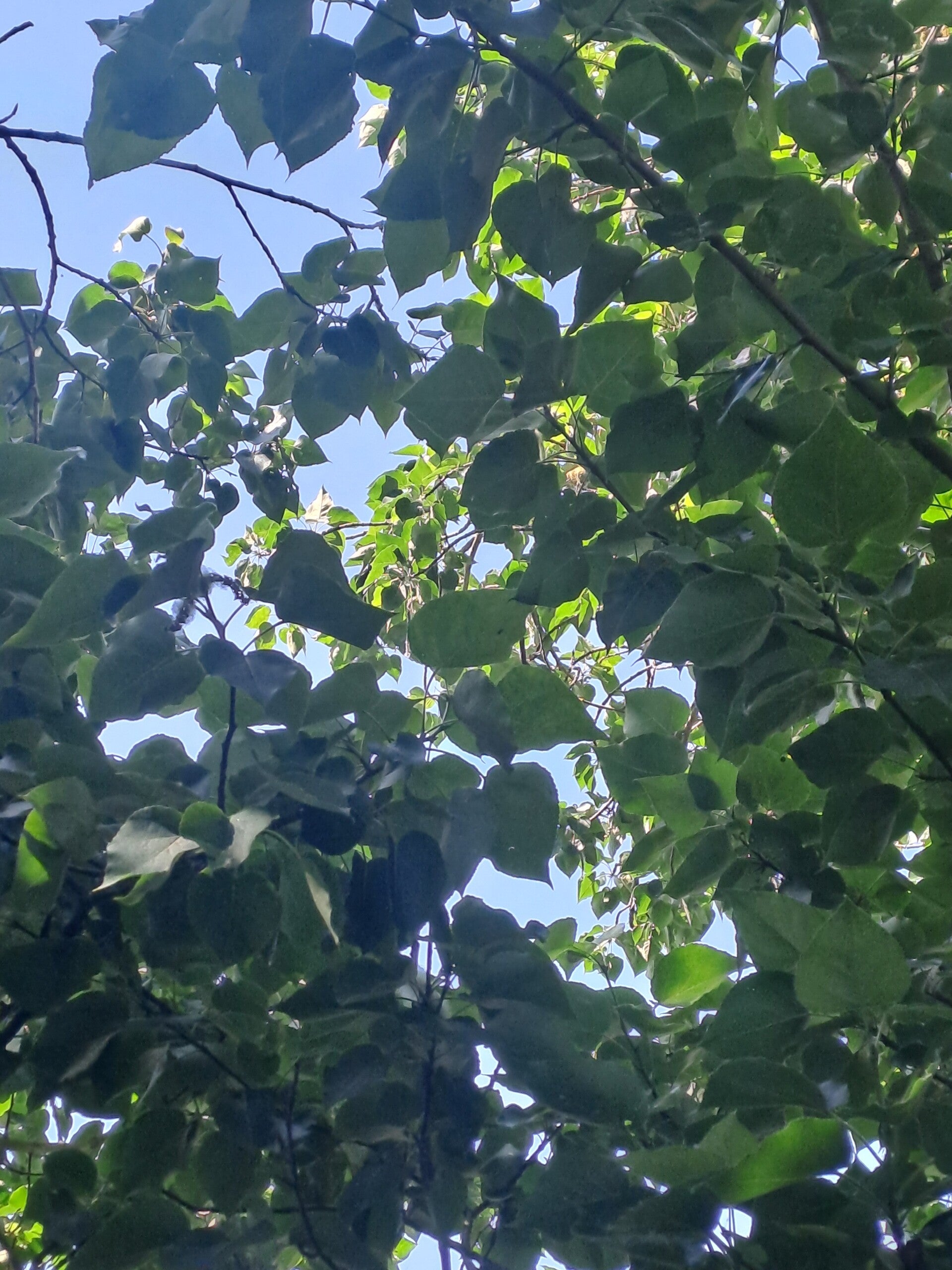
Tree identification
In a survival scenario, tree identification provides critical resources like shelter materials, kindling, cordage, and emergency food. Focus on easily recognisable indicators such as bark texture, leaf or needle structure, and growth habits to safely harvest what you need. [1, 2, 3, 4, 5]
🌲 Essential Survival Trees
- Silver Birch (Betula pendula): Easily recognised by its peeling white or silver-grey bark with distinct black horizontal lines. Survival Use: The bark is highly flammable, functioning as a foolproof fire starter even when wet. The thin dead twigs at the base of the tree make excellent kindling. [1, 2, 3, 4, 5]
- Conifers (pines, firs, spruces): Identified by their needles and cones. Survival Use: Pine resin is a natural sealant for waterproofing shelters and can be mixed with charcoal to create a strong adhesive. Needles are rich in vitamin C and can be steeped for a hot tea. [1, 2]
- Willow (Salix): Found near water sources, featuring long, narrow leaves and highly flexible branches. Survival Use: Willow bark contains salicin (the base compound of aspirin), and the inner bark can be twisted into strong natural cordage. [1, 2, 3]
- Oak (Quercus): Recognised by a deeply ridged trunk and lobed leaves. Survival Use: Acorns provide high-calorie sustenance, but they must be boiled to leach out bitter, toxic tannins before eating. [1, 2, 3, 4, 5]
⚠️ Critical Hazards and Rules
- Beware of "Widow Makers": When selecting a location to build a shelter or start a fire, always look up to avoid dead branches, cracked limbs, or leaning trees that can fall at any second. [1]
- The Golden Rule: Never consume any part of a tree or plant unless you are 100% certain of its identification.
- Yew Tree Warning: Avoid using yew wood for cooking fires, as the smoke is toxic. Yew is a common conifer but has flat, dark green needles and red, fleshy berries (arils); it looks entirely different from pine or spruce. [1]