

Trees for water
In the UK, the best trees for obtaining drinking water are birch (for direct sap tapping) and sycamore (or maple). Alternatively, you can use the transpiration method on leafy branches of any safe, broadleaf tree to extract pure condensation. [1, 2, 3, 4]
1. Direct Tapping (Spring Only)
This works by drilling or cutting a shallow hole (about 1.5 inches deep) into the sapwood to collect the rising sap. [1, 2]
- Silver Birch (Betula pendula): The top UK foraging choice for sweet, hydrating water. Tapped in early spring before leaves appear.
- Sycamore (Acer pseudoplatanus): Also known as the Sycamore Maple. Can be tapped exactly like a maple tree for drinkable sap. [1, 2, 3, 4, 5]
2. Transpiration Bags (All Year)
You can collect water from almost any deciduous tree (such as oak, willow, or hazel) using the solar still method:
- Enclose a healthy, leafy branch in a clear plastic bag.
- Seal the bag tightly around the stem.
- The leaves will transpire moisture through heat and sunlight, condensing the pure water into the bottom of the bag. [1, 2]
3. Tree Water Locations
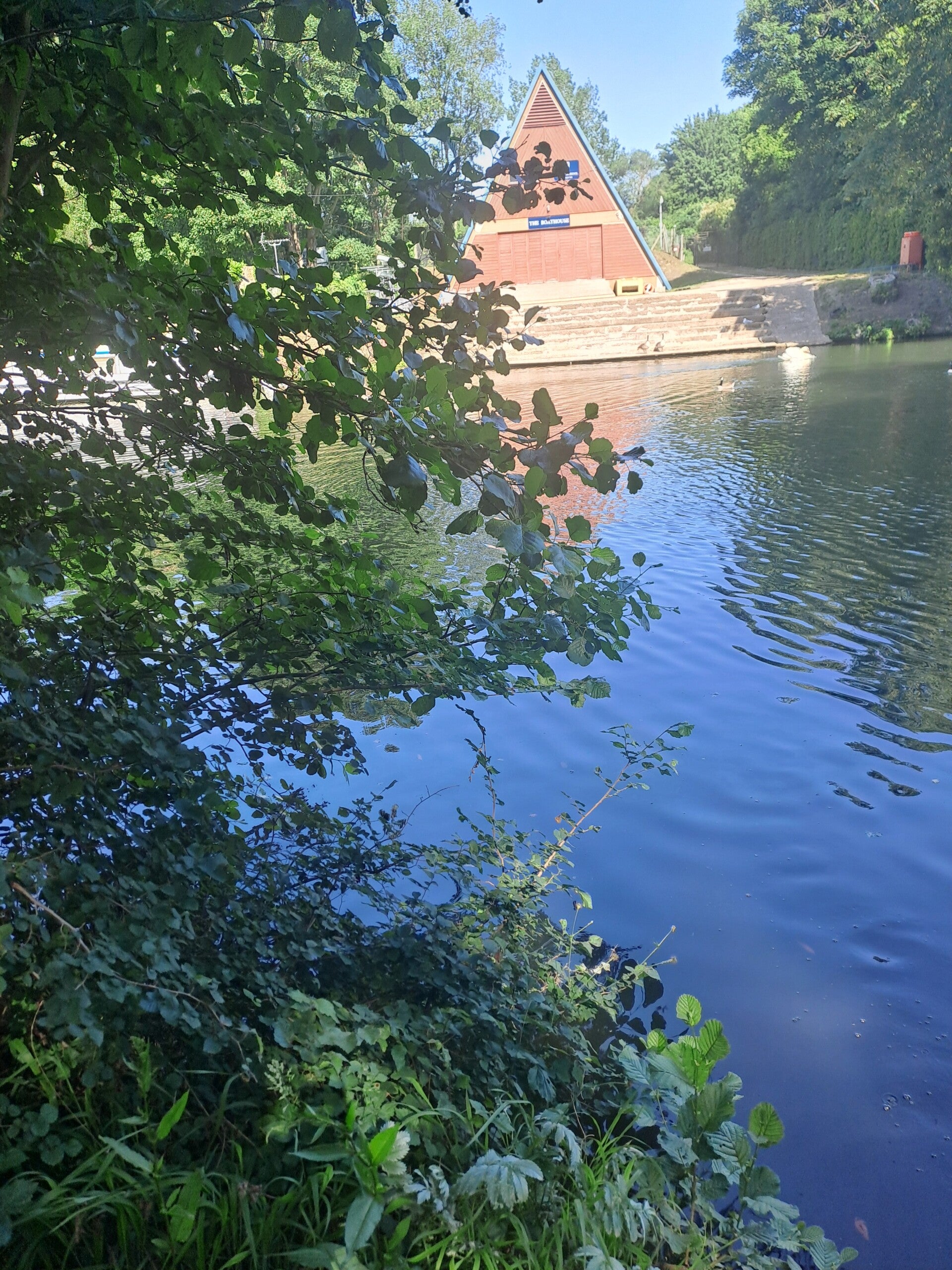
Certain trees indicate that natural drinking water or water tables are nearby. If you are near waterlogged environments in the UK, look out for Willows and Alders. [1]
Important Survival Rules
- Pine/Conifers: Avoid tapping pine trees for hydration. Pines absorb water and turn it into thick, sticky sap, which is not suitable for drinking and can gum up your system.
- Tree Care: If you tap a tree, always seal the hole afterwards with a clean wooden peg to prevent insect infestations and disease. [1, 2]