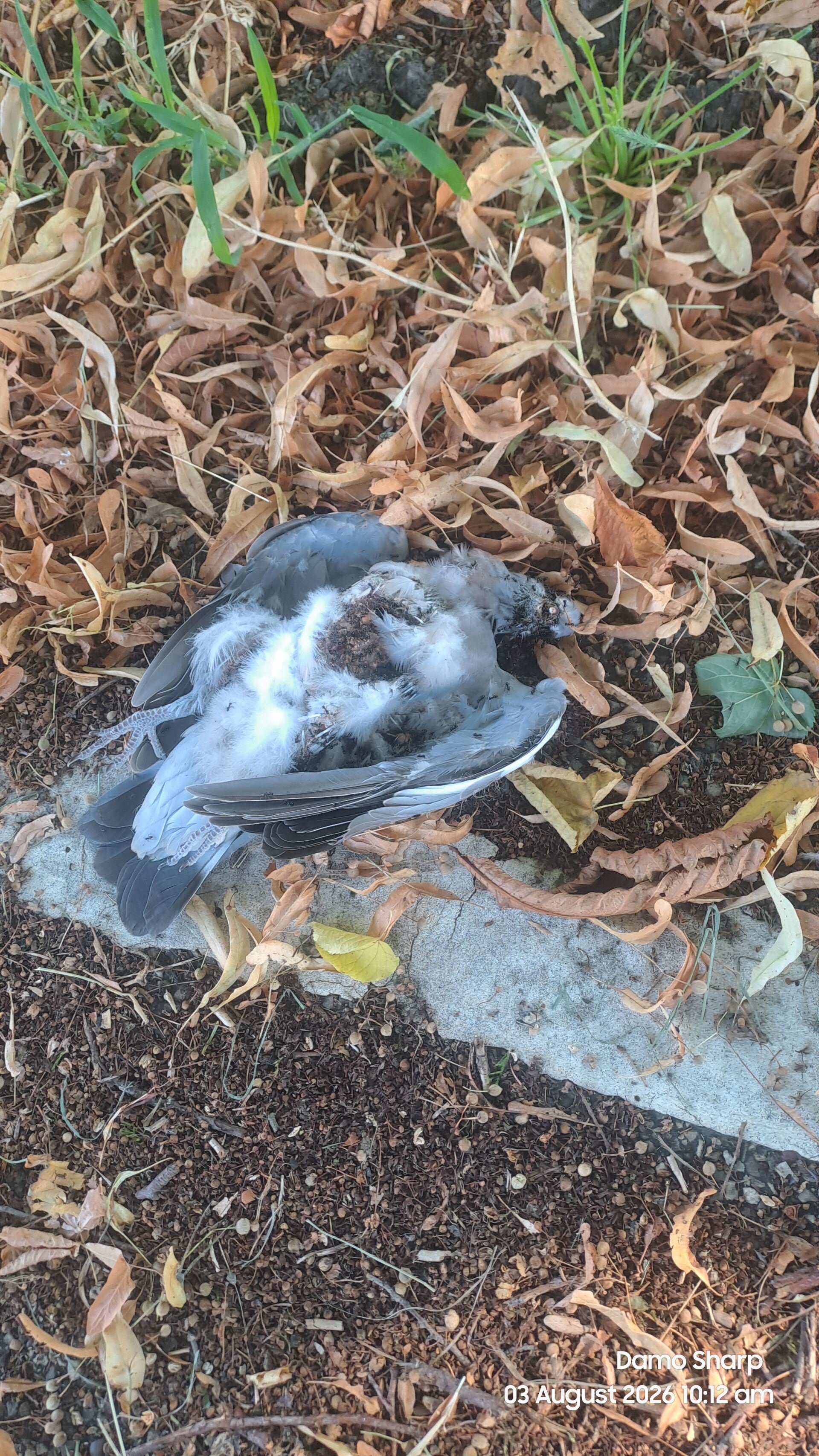
Road kill
In a genuine UK wilderness emergency, scavenging fresh roadkill (like deer, pheasant, or rabbit) can provide critical calories. You must butcher the animal safely by wearing protective gloves, avoiding bruised or ruptured organs, and cooking the meat thoroughly to kill any parasites or bacteria. [1, 2, 3]
1. Identify a Safe and Fresh Carcass
- Check the freshness: The carcass should be limp (unless fully frozen) and warm or cool, but never stiff, bloated, or smelling of rot. Clear, intact eyes and clean fur/feathers are good signs.
- Assess the impact: Avoid animals that are crushed, as ruptured internal organs can quickly spoil and contaminate the meat. [1, 2, 3]
2. Legal and Health Considerations (UK Specific)
- Protected species: In the UK, it is illegal to possess certain protected dead animals (e.g., badgers, otters, and certain birds of prey) without specific authority. However, survival regulations are different, and in a life-or-death situation, strict wildlife law is generally secondary to immediate caloric needs. [1, 2, 3, 4, 5]
- Toxicity warning: Never consume an animal that has been chemically euthanised or darted. [1]
- Reporting: If you are not in a life-or-death survival scenario, the UK Food Standards Agency advises against consuming roadkill. Under normal circumstances, you should report dead animals to the local council for removal. [1, 2]
3. Safe Butchery & Preparation
- Wear gloves: If you have them, use them. Wild animals, especially deer or foxes, often carry fleas, ticks, or diseases.
- Gut the animal immediately: If the stomach or intestines are punctured, the meat can spoil in minutes. Carefully slice from the pelvis to the throat, remove the entrails, and discard them.
- Look for disease: Check the liver and internal organs. If you see hard lumps, spots, or discolouration, discard the carcass. [1, 2, 3]
4. Cooking
- Boil or roast: Cook roadkill entirely and completely. Do not eat it rare, as wild animals can carry a heavy parasite and bacteria load. [1]