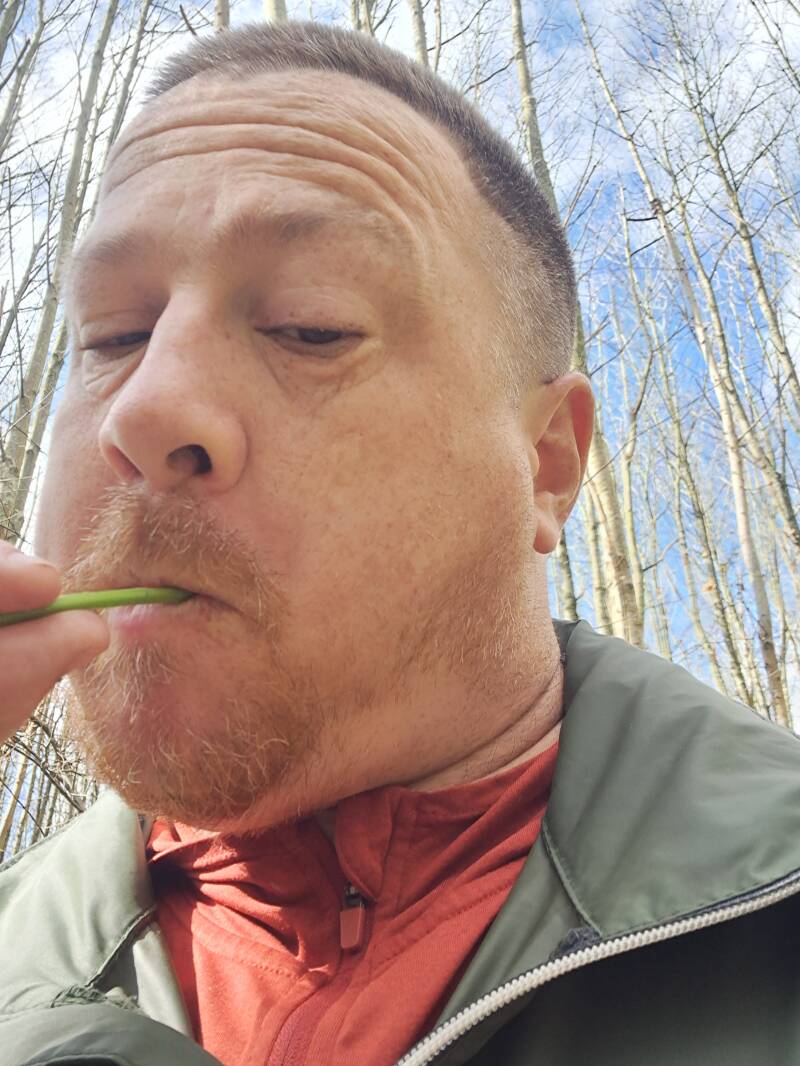
Foraging
In a UK survival situation, prioritise high-calorie or easily processed foods over energy-draining foraging. Safe, abundant staples include stinging nettles (boil to neutralise the sting), dandelion (leaves, flowers, and roots), wild garlic, and coastal seaweeds like dulse or bladderwrack. Never consume any wild plant or fungi unless you are 100% sure of its identity. [1, 2, 3, 4]
Essential UK Survival Foraging Rules
- Avoid the Carrot Family: Deadly lookalikes like Hemlock Water-Dropwort grow in the UK. Beginners must avoid unidentifiable parsley-like plants. [1, 2]
- The Countryside Code: Foraging for personal consumption is generally legal in the UK, but uprooting plants without landowner permission is illegal. [1]
- Sustainable Harvesting: Follow the 1/3 rule: take 1/3 for yourself, leave 1/3 for wildlife, and leave 1/3 for the plant to regenerate. [1]
- Avoid Pollution: Do not forage near busy roadsides, industrial sites, or areas heavily used by dogs. [1, 2]
Key UK Survival Plants and Fungi
- Nettles (Spring/Summer): Young tops are highly nutritious. Blanching completely neutralises the sting.
- Wood Sorrel (Spring/Summer): Clover-like leaves with a distinct citrus/sour flavour.
- Wild Garlic / Three-Cornered Leek (Winter/Spring): Great for a quick energy boost or seasoning, identifiable by their strong garlic scent.
- Jelly Ear Fungus (Autumn/Winter): Easily recognisable by its wobbly, ear-like shape, commonly found on dead elder trees. [1, 2, 3, 4, 5]