

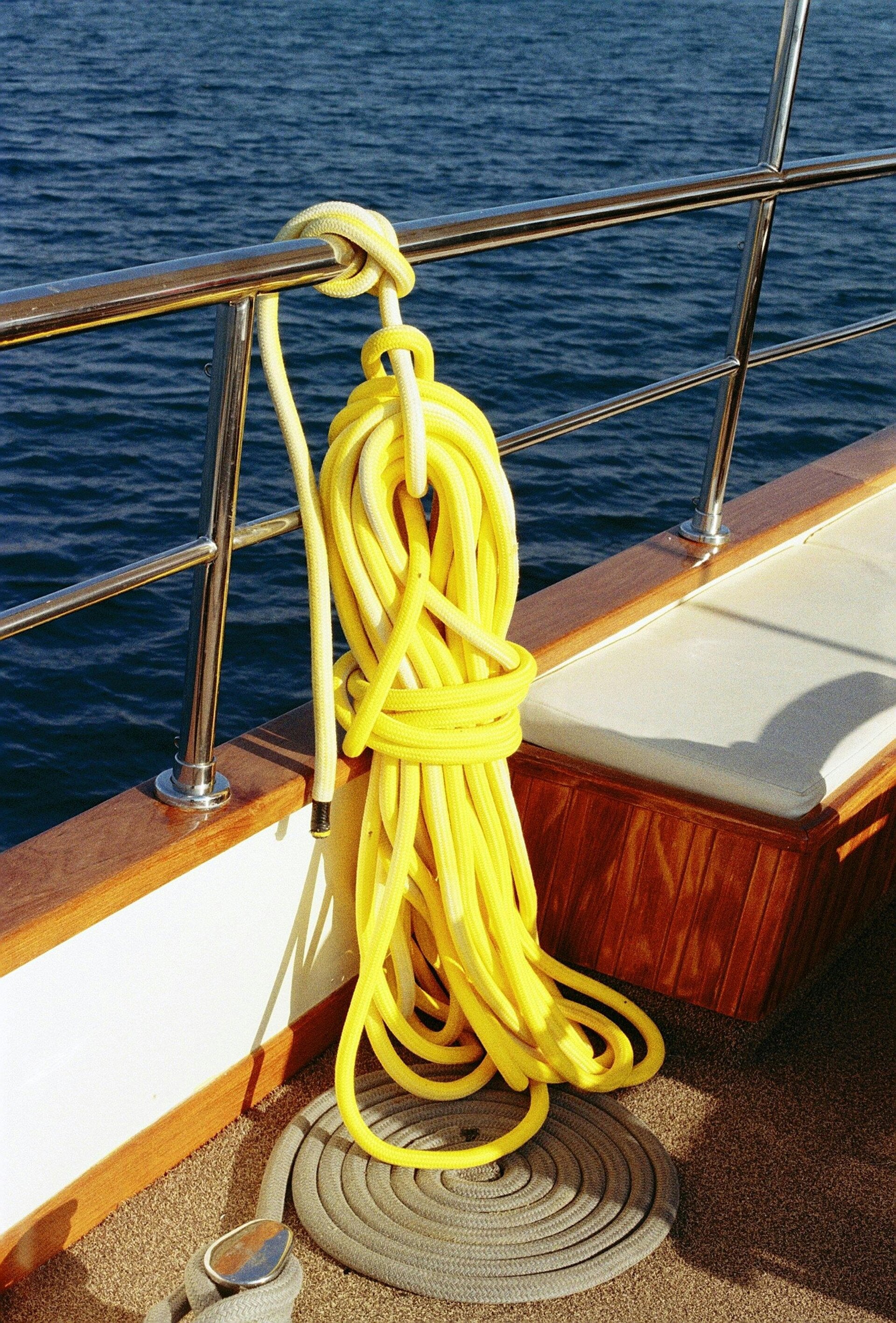
Synthetic cordage
In a UK wilderness survival situation, synthetic cordage (like paracord) is ideal for heavy-duty tasks like building survival shelters and hanging food. For finer tasks, you can extract the strong inner nylon threads (inner strands) to use as fishing lines or snare traps. [1, 2]
Why Synthetic Cordage is Crucial
- Strength & Versatility: Standard military-grade paracord (Type III "550 cord") has a 249 kg (550 lb) breaking strength. Its outer sheath can be removed to give you roughly 15 to 30 metres of interior core threads. [1, 2, 3]
- Weather Resistance: Unlike raw plant fibres, synthetic materials do not absorb moisture, rot, or degrade quickly from rain and damp UK woodland environments. [1, 2]
- Emergency Medical Aid: In a worst-case scenario, the internal filaments can serve as emergency sutures, while the thicker cord functions as a hasty tourniquet. [1, 2, 3]
Where to Buy and Keep It
It is best to include synthetic cordage in your wild camping or survival kit before heading out. [1]
- Paracord: You can purchase standard 550 paracord in 15 m, 30 m, or 100 m reels from outdoor gear suppliers such as Military and Outdoor or Amazon UK.
- Tarred Bank Line: Often favoured by UK bushcrafters, this line (usually #36 grade) is tar-coated, extremely knot-friendly, and very resistant to abrasions. [1, 2, 3]
- Carry method: Carry 15 to 30 metres hanked (coiled securely) in your backpack so it does not tangle with your other gear. [1, 2, 3, 4]
UK Foraging Alternatives
If you run out of synthetic cordage in the British wilderness, the local flora can be foraged for cordage using the reverse-wrap technique: [1, 2]
- Stinging Nettle (Urtica dioica): The dried, dead stalks of nettles contain strong, fibrous material just under the bark.
- Bramble (Rubus fruticosus): The peeled bark of bramble vines provides very tough natural cordage.
- Willow (Salix): Willow bast (the inner bark) and pliable young roots are historically harvested by UK woodsmen for heavy lashings. [1, 2, 3, 4, 5, 6]