

Plants for fire
The UK countryside is a treasure trove of wild flora and fungi perfectly adapted for starting fires. Whether you are setting up a wilderness campfire or lighting a garden fire pit, the following native and established UK plants and fungi are bushcraft staples for generating embers and flames: [1, 2, 3, 4]
1. Best for Catching Sparks (Tinder Bundles)
- Silver Birch Bark (Betula pendula): One of nature's best firelighters. The paper-like outer bark contains betulin, which allows it to catch light and burn hot—even when damp. [1, 2]
- Cattail / Reedmace (Typha latifolia): Found near ponds and rivers, the mature seed heads burst open into fluffy, highly combustible down that is brilliant for catching a spark. [1, 2]
- Rosebay Willowherb (Chamerion angustifolium): Often called "fireweed" because it quickly colonises after forest fires. The downy flower heads make an excellent tinder nest to catch an ember and blow it into a flame. [1, 2, 3, 4]
- Clematis / Old Man's Beard (Clematis vitalba): A common climbing vine in UK hedgerows and woodlands. Its dried, fluffy seed heads fluff up perfectly to accept a spark. [1]
- Common Hogweed (Heracleum sphondylium): Dried stalks and flower heads from the previous year make excellent "bird's nests" for catching sparks or as fine kindling. Note: Always ensure exact identification to avoid the highly toxic dead hemlock stalks. [1, 2, 3]
2. Best for Coal Extension (Embers)
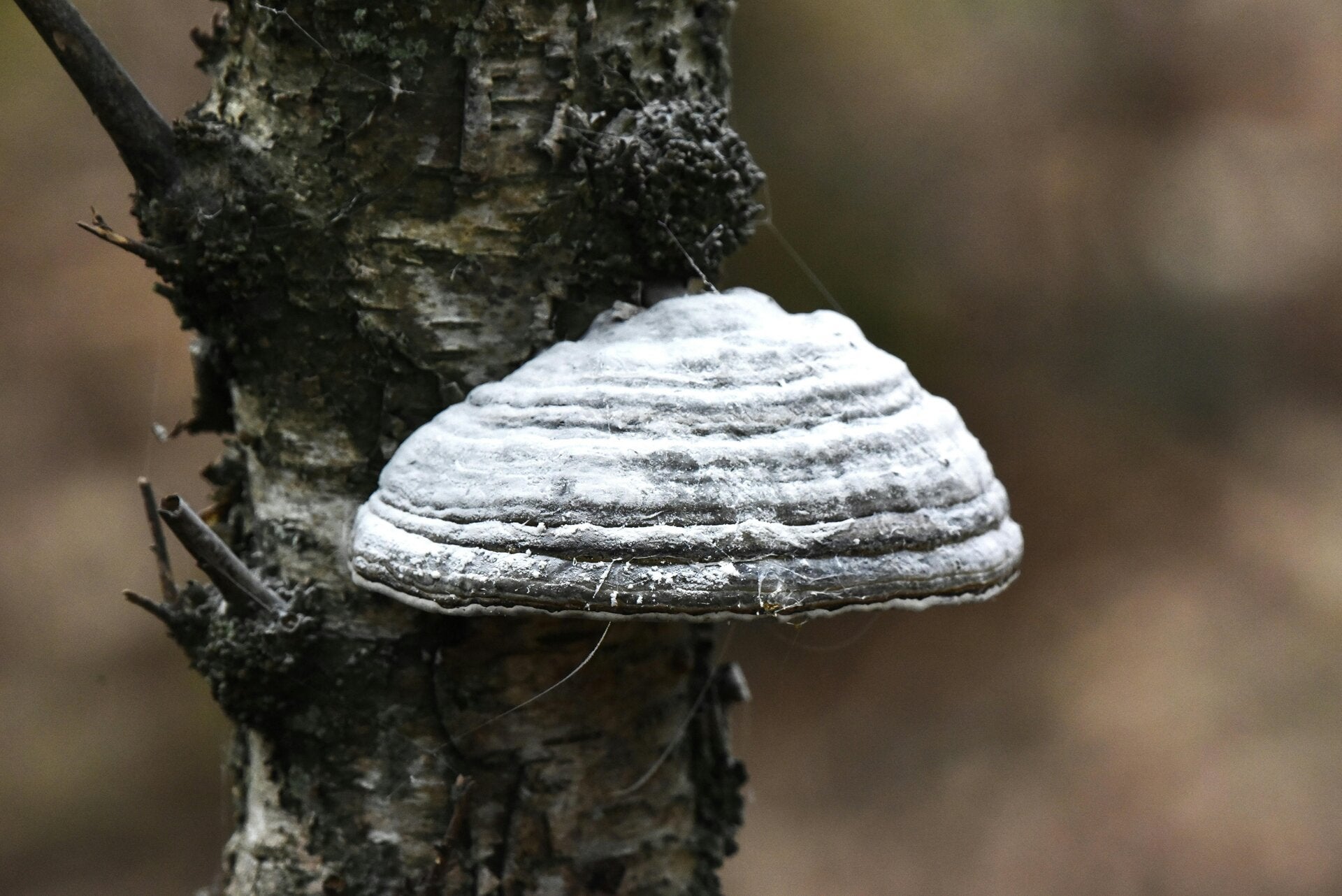
- Tinder Fungus / Hoof Fungus (Fomes fomentarius): Frequently found on dead or dying birch and beech trees, this woody bracket fungus can be processed to make amadou. It takes a spark from a flint and steel and smoulders slowly for hours, acting like a primitive portable lighter. [1, 2, 3, 4, 5]
- King Alfred's Cakes / Cramp Balls (Daldinia concentrica): These charcoal-like, black fungi are usually found on dead ash trees. When completely dried out, they catch a spark incredibly well and smoulder for a long time. [1, 2]
3. Best for Fine Kindling
- Bracken (Pteridium aquilinum): Common across UK heaths and woodlands. In autumn and winter, the dead, brown fronds crumble into fine, fibrous material that burns hot and fast to build up a small flame. [1]