

Christopher McCandless
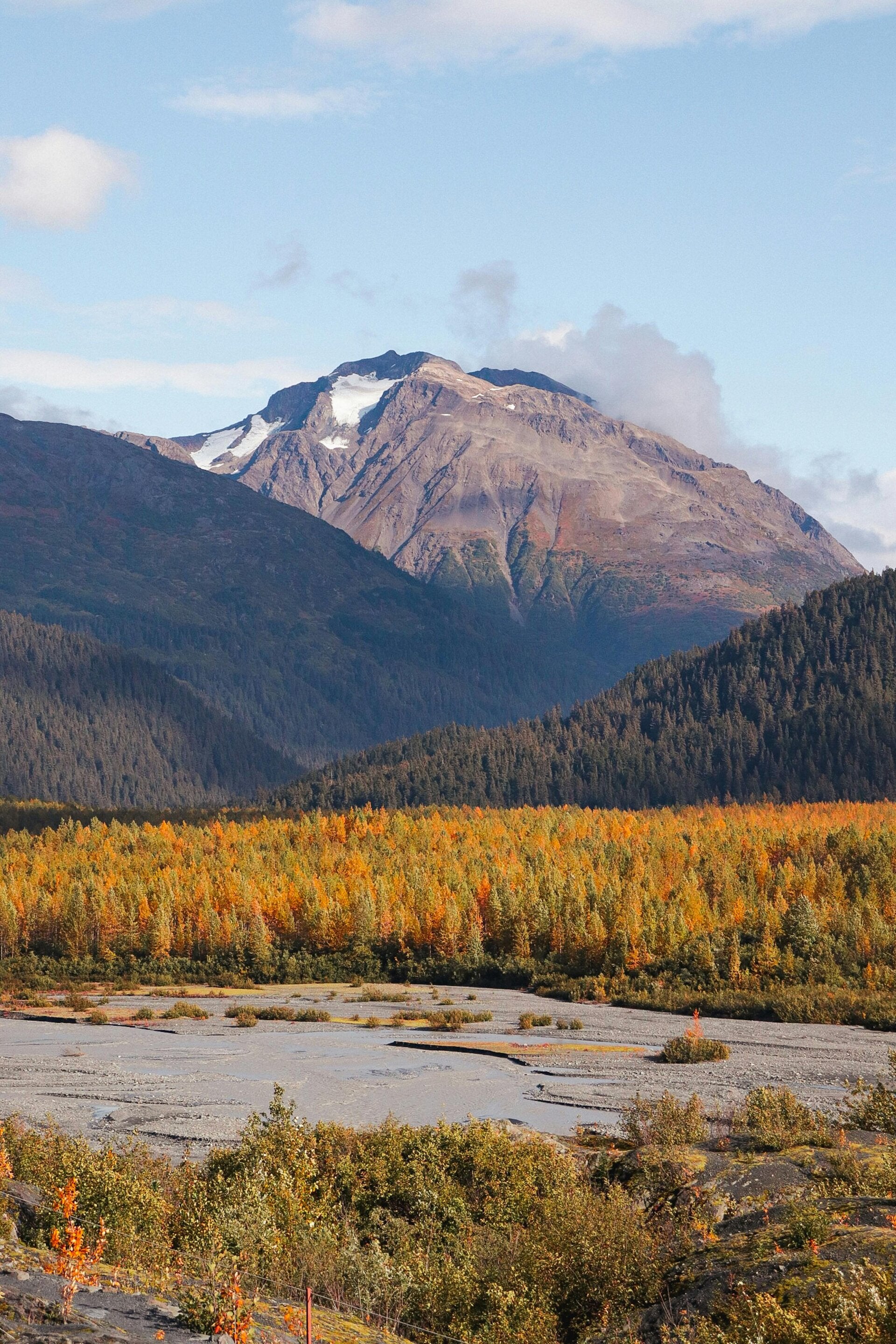
The story of Christopher McCandless is a modern American parable about an idealistic young man who abandoned society to live completely off the land in Alaska, ultimately dying of starvation at age 24. His journey became globally famous through Jon Krakauer’s 1996 bestselling book Into the Wild and Sean Penn’s 2007 film adaptation.
Escaping Society
After graduating from Emory University in May 1990, McCandless severed all contact with his family. He was deeply disillusioned by his parents' turbulent relationship, material wealth, and the rigid expectations of modern careerism. Driven by the transcendentalist philosophies of Henry David Thoreau, Leo Tolstoy, and Jack London, he donated his remaining $24,000 savings to Oxfam, left his car behind, and adopted the alias "Alexander Supertramp".
For nearly two years, McCandless lived as a nomadic hitchhiker, criss-crossing the American West, working odd jobs in South Dakota, and canoeing down the Colorado River into Mexico.
The Alaskan Odyssey
In April 1992, McCandless achieved his ultimate dream of hitchhiking north to Alaska. On 28 April, he walked onto the remote Stampede Trail near Denali National Park with minimal gear: a small-calibre rifle, a 10-pound bag of rice, and a collection of paperback books.
A few miles into the trail, he stumbled upon an abandoned 1940s Fairbanks city bus (Bus 142), which he dubbed "The Magic Bus". For 113 days, McCandless used the bus as a shelter, successfully foraging for wild plants, gathering berries, and hunting small game like squirrels and porcupines.
The Fatal Turn
By July, McCandless decided it was time to return to civilisation. However, the winter snows had melted, transforming the easily crossable Teklanika River into a raging, impassable torrent. Trapped and lacking a detailed map that would have revealed a nearby hand-operated tram crossing, he was forced to head back to the bus.
Isolated and running low on food, his body deteriorated rapidly. While his official cause of death was ruled as starvation, later research by biographer Jon Krakauer indicated that McCandless inadvertently accelerated his decline by consuming toxic wild potato seeds containing L-canavanine, an amino acid that causes weakness and paralysis in malnourished bodies.
Realising his imminent fate, McCandless taped an S.O.S. note to the bus door pleading for help. His final journal entry on Day 107 simply read, "Beautiful berries." On 6 September 1992, moose hunters discovered his emaciated body inside his sleeping bag. He had died roughly 19 days earlier. His final self-portrait showed him smiling, holding a handwritten farewell message: "I have had a happy life and thank the Lord. Goodbye and may God bless all!"
A Polarising Legacy
McCandless's story continues to provoke fierce debate.
- The Romantic View: Romantics view him as a courageous visionary who possessed the rare bravery to live entirely on his own terms.
- The Pragmatic View: Experienced outdoorsmen and many Alaskans dismiss him as reckless and arrogant, pointing out that his lack of maps, a compass, axe, or proper cold-weather survival gear made his tragedy completely avoidable.
The "Magic Bus" itself became a hazardous pilgrimage site, drawing hundreds of hikers over the years. After numerous costly rescues and two fatal drownings at the Teklanika River, the Alaskan government airlifted Bus 142 out of the wilderness in 2020. It is now preserved and displayed safely at the University of Alaska Museum of the North in Fairbanks
Lessons to be learned
The story of Christopher McCandless serves as a profound cautionary tale about the perils of romanticising isolation and the necessity of preparation. While his pursuit of self-discovery and minimalism is admirable, the fatal consequences of his journey offer vital lessons in survival, relationships, and respecting nature.
Key Takeaways from the Story
- Nature Commands Respect, Not Just Romance: McCandless’s tragic death in the Alaskan wilderness highlights the danger of underestimating the environment. A deep appreciation for nature cannot replace the hard skills, gear, and local knowledge required to survive extreme conditions.
- "Happiness Only Real When Shared": This is perhaps the most famous realisation McCandless recorded before his death. He discovered that while stepping away from societal norms to find oneself is valuable, profound experiences and deep connections lose their meaning when kept entirely to oneself.
- Preparation Over Passion: Passion and idealism are insufficient without the proper tools. McCandless entered the Alaskan bush without adequate survival gear or navigational tools, which turned a rugged adventure into an avoidable tragedy.
- The Importance of Communication: Cutting off loved ones and leaving without a trace places a heavy emotional toll on family and friends. Maintaining communication ensures that you are supported and leaves the door open to valuable relationships, even when seeking independence