

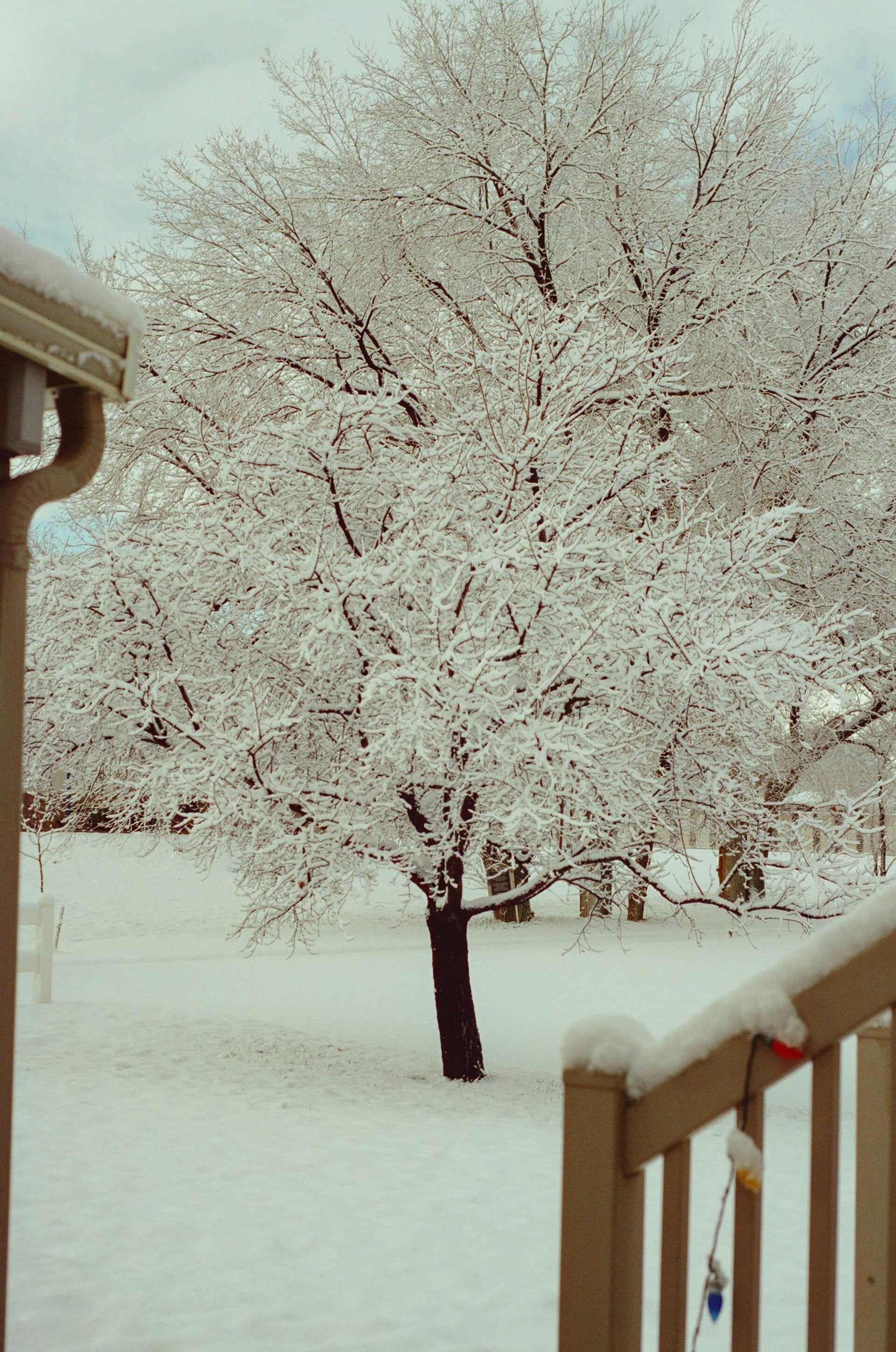
Snow
Snow in the UK wilderness brings extreme hazards like rapid hypothermia from wet clothing, exhaustion, and fatal core-temperature drops if you eat raw snow. It obscures navigation trails, covers deep drops or bogs, and can even trigger localised avalanches in upland areas like the Scottish Highlands. [1, 2, 3, 4, 5]
Navigating snow in the UK presents a distinct set of survival challenges:
- Hypothermia and Moisture: UK snow is frequently wet and dense. If you get your base layers wet from exertion or melting snow, hypothermia sets in rapidly. [1, 2]
- The "Eating Snow" Trap: Never eat raw snow. It significantly lowers your core temperature and requires your body to burn precious calories to melt it, increasing the risk of hypothermia. Always melt and boil snow using a storm shelter or camping stove. [1, 2, 3]
- Deceptive Terrain: Deep snow completely conceals hazards. In peat bogs, gullies, and areas like the Cairngorms, snowdrifts can hide deep drops, streams, or steep uneven terrain, making falls and leg injuries extremely likely. [1, 2]
- Exhaustion and Slower Pace: Hiking through heavy snow requires vastly more physical effort (postholing). Pushing too hard leads to heavy sweating, which then cools and freezes against your skin. [1, 2]
- Navigation Failures: Standard Ordnance Survey paths and visual landmarks vanish entirely under a whiteout. Getting lost or disoriented can quickly lead to an unplanned night out in the cold. [1, 2]
- Avalanche Risks: While the UK may not have alpine peaks, the Scottish Avalanche Information Service warns of frequent avalanche conditions in northern regions. The cornices (overhanging snow) on mountain ridges are incredibly unstable. [1, 2, 3]
- Shelter Challenges: Building a snow cave or snow hole is an excellent winter survival tactic, but it requires diligent ventilation to prevent suffocation or carbon dioxide build-up, particularly if burning a stove or candle inside. [1, 2]