

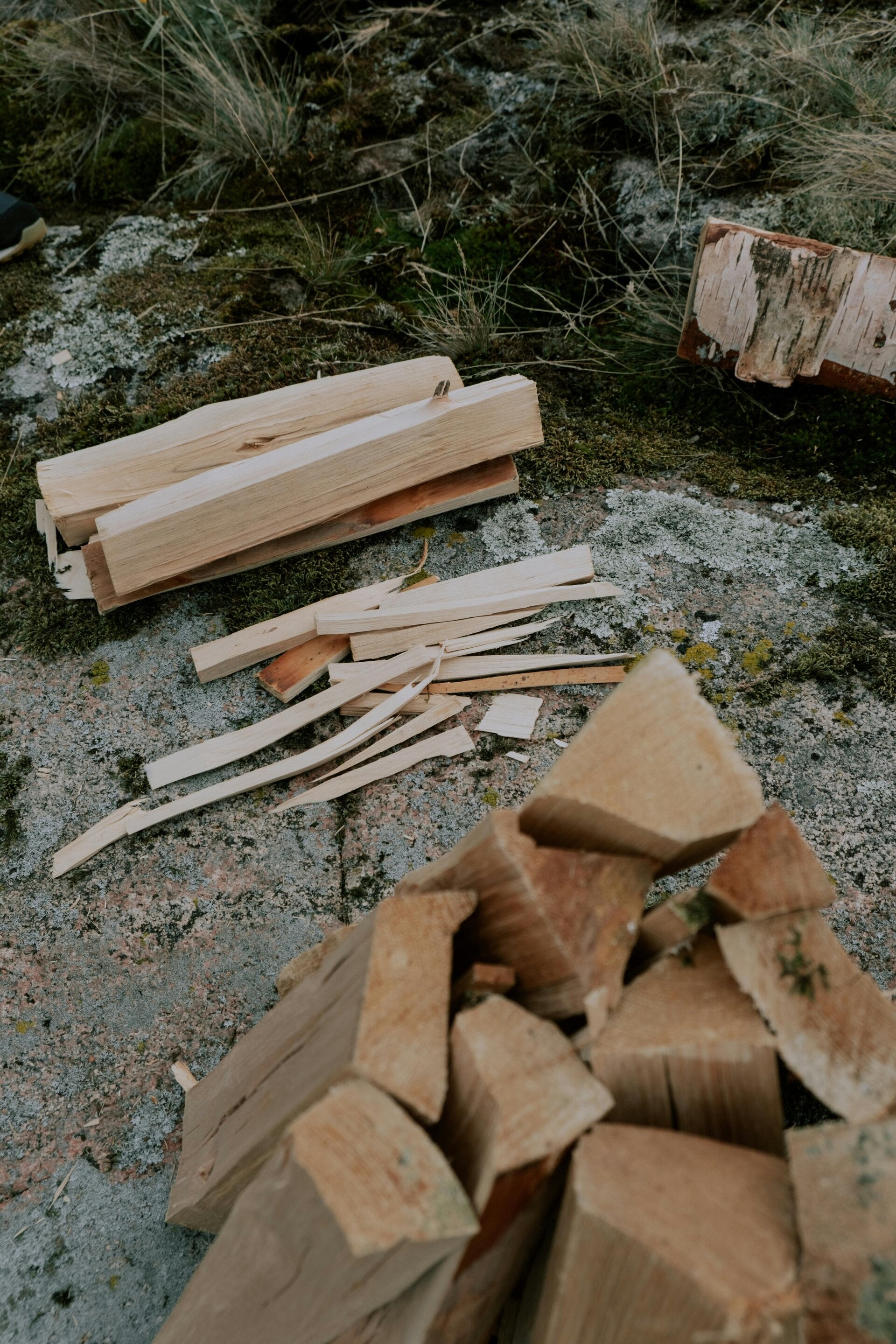
Collecting wood and natural resources
In the UK, collecting dead or fallen wood from any woodland, forest, or public park without the landowner’s consent is illegal. Removing timber without permission is considered theft under the Theft Act 1968. Even in a genuine survival emergency, taking wood from private property or protected forests violates this law. [1, 2]
Key Legal Considerations
- Land Ownership: All wood, including fallen branches, leaves, and timber, belongs to the landowner. You cannot lawfully harvest it without explicit permission. [1]
- Public and Protected Land: Organisations such as the Woodland Trust advise against collecting fallen logs, as decaying wood is an essential habitat for insects and soil nutrients. Fines can also be issued for breaching local byelaws in council-owned parks or Crown estates. [1, 2, 3, 4]
- The "Right to Gather": While the Magna Carta historically allowed freemen to collect firewood, these rights are highly localised (e.g., specific feudal or common land) and do not apply generally. [1, 2]
- Emergency Exemption: The law does not provide a blanket loophole for "survival". However, in a genuine life-or-death emergency (such as being stranded in freezing conditions), the Criminal Law Act 1967 (Section 5) allows for a defence of "duress of circumstances", provided the action is proportionate and necessary to prevent death or serious injury.