

Aron Ralston
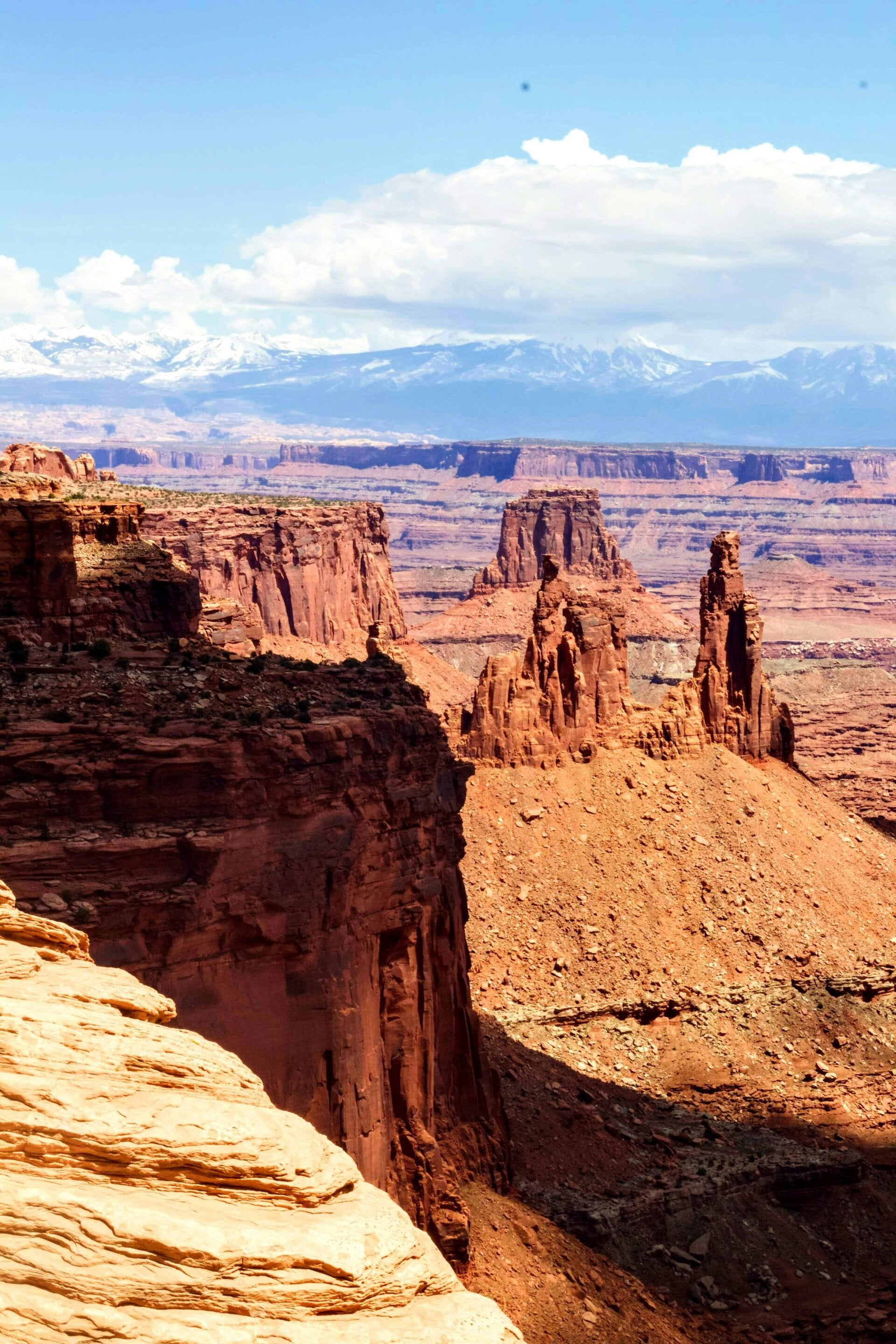
Aron Ralston's story of survival is one of the most remarkable tales of human resilience.
He worked as a mechanical engineer but began heavily dedicating his time to winter solo activities, rock climbing, and summiting major peaks starting in roughly 1998. He ultimately quit his corporate job in 2002 to climb Denali and moved to Aspen, Colorado, to pursue the outdoors full-time
He had been an avid outdoorsman for about 5 years, and then on 26th April 2003, the 27-year-old outdoorsman decided to hike alone in Utah's Bluejohn Canyon when a half-tonne boulder shifted, crushing his right hand against the canyon wall.
Because he had not told anyone where he was going, no one was looking for him. Caught between a rock and a hard place, he had virtually no cell service, limited water, and only a few burritos. Whilst he was trapped in the remote slot canyon, Ralston survived by strictly rationing his food and water, ultimately resorting to drinking his own urine. As days passed, he sensed that his time was running out and started to feel despair. So he began etching his name and expected date of death into the canyon wall.
Facing certain death, Ralston discovered that he could use the tension and torque of the boulder to snap the bones in his forearm
After five days of trying to free himself, he made the unthinkable decision to amputate his own forearm with a dull multi-tool and hike to safety. The Amputation: Using his pocketknife, he spent an hour agonisingly amputating his arm below the elbow to free himself.
After applying a tourniquet, he had to rappel down a 65-foot drop with only one arm and began a gruelling seven-mile hike through the desert in Eastern Wayne County, roughly 42 miles south of Green River, Utah. Fortunately, he eventually stumbled upon a family of hikers who provided immediate emergency aid and alerted search and rescue authorities. A Utah Highway Patrol helicopter eventually spotted Ralston and airlifted him to a hospital, thus ending his 127-hour nightmare.
Lessons learned
Aron Ralston’s survival story is more than a tale of extreme physical endurance; it is a masterclass in human psychology, decision-making, and the raw will to live, but it's also a cautionary tale.
Here is what his 127-hour ordeal teaches us:
1. The Wilderness Rule: Never Hike Alone in Secret No matter how experienced you are, always leave a precise "trip plan" with an emergency contact, including your exact route and expected return time.
2. Feeling like a helpless victim paralyses your decision-making. Accepting accountability for your situation—even a terrible accident—instantly gives you the agency to fight back.
3. Logic Beats Panic. Your mind is your most powerful tool. Panic burns precious energy and clouds judgement. In a crisis, the ability to transition from emotional panic to cold, tactical problem-solving is the ultimate survival tool.
4. Innovation with Substandard Tools: You will rarely have the perfect resources during a crisis. True resilience requires being creative and aggressive with whatever subpar tools you have available.
5. Our True Limits Are Far Beyond What We Think: When pushed to the absolute edge, your mind and body possess hidden reserves of strength, resilience, and tolerance that you cannot access under normal conditions.
6. The Ultimate Power of Connection: We rarely survive purely for ourselves. A deep, powerful connection to other people—and the desire to return to loved ones—is often the final catalyst that keeps the human spirit alive when all hope seems lost.