

Poisonous plants to avoid
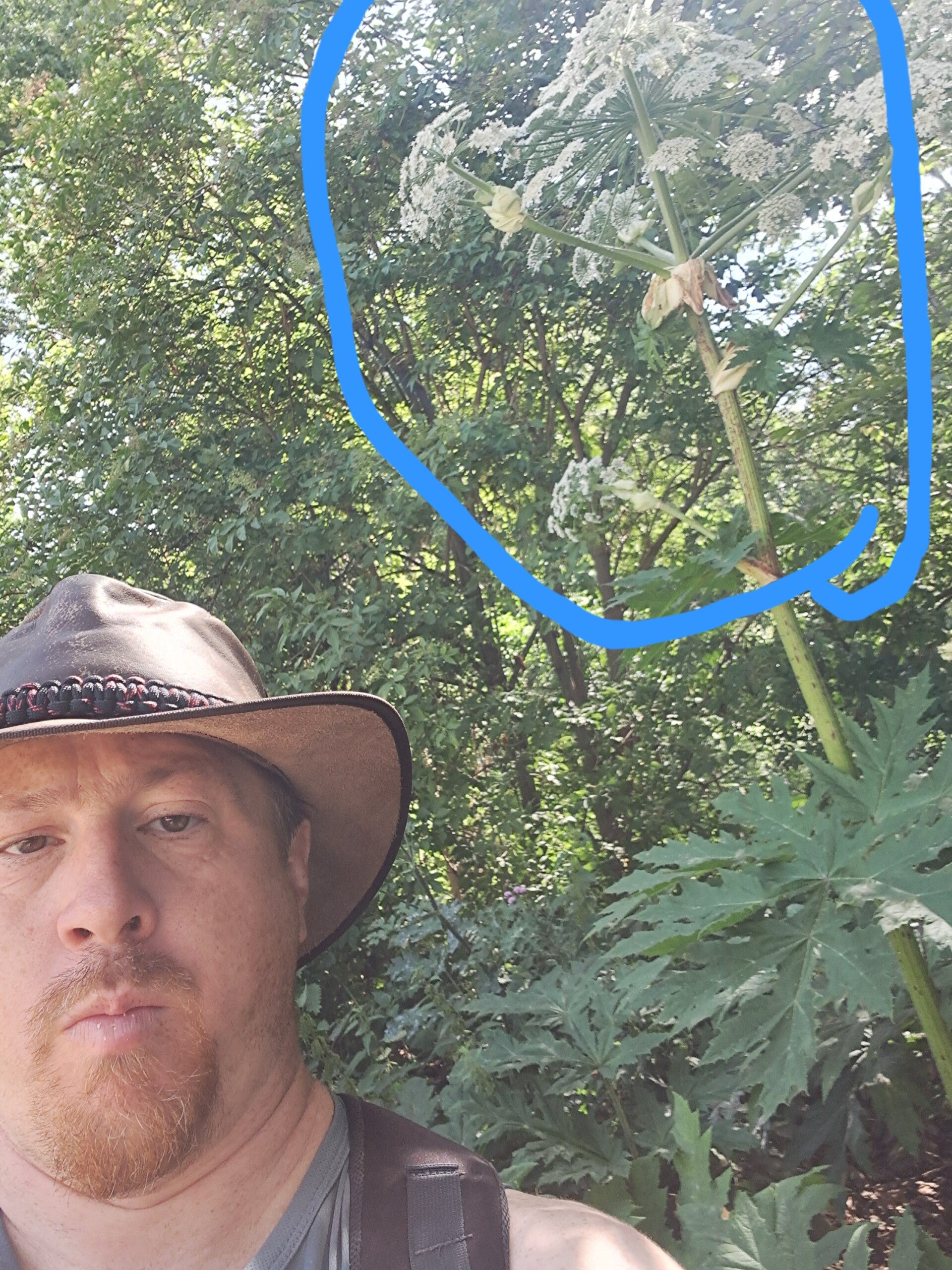
The UK is home to several highly toxic plants that can be fatal if ingested or touched. Some of the most dangerous native species include hemlock water dropwort, monkshood (wolfsbane), deadly nightshade, foxgloves, and giant hogweed. [1, 2, 3, 4, 5]
Several of the most hazardous plants found in the UK require particular caution:
Wild & Native Plants
Garden & Common Plants
- Deadly Nightshade (Atropa belladonna): Famous for its dark, shiny berries. All parts of the plant are highly toxic and can cause a rapid pulse, paralysis, and death. [1, 2, 3, 4, 5]
- Foxglove (Digitalis purpurea) a): Commonly found in woodland and gardens. All parts of the plant are toxic and contain compounds that can cause fatal heart arrhythmias. [1, 2, 3, 4]
- Daffodils (Narcissus): More hospitalisations and serious poisonings in the UK are caused by the accidental consumption of daffodil bulbs (which are often mistaken for onions) than by any other plant. [1, 2, 3,
Resources for Safety
If you are foraging, gardening, or walking pets, always ensure you correctly identify plants and keep children and animals away from toxic species.
- For comprehensive information on pets and toxic plants, consult the PDSA Poisonous Plants Guide.
- For a list of hazardous common garden species, check the RHS Potentially Harmful Garden Plants Advice.
- If you suspect someone has ingested a poisonous plant, contact the NHS immediately by calling 111 in an emergency.