

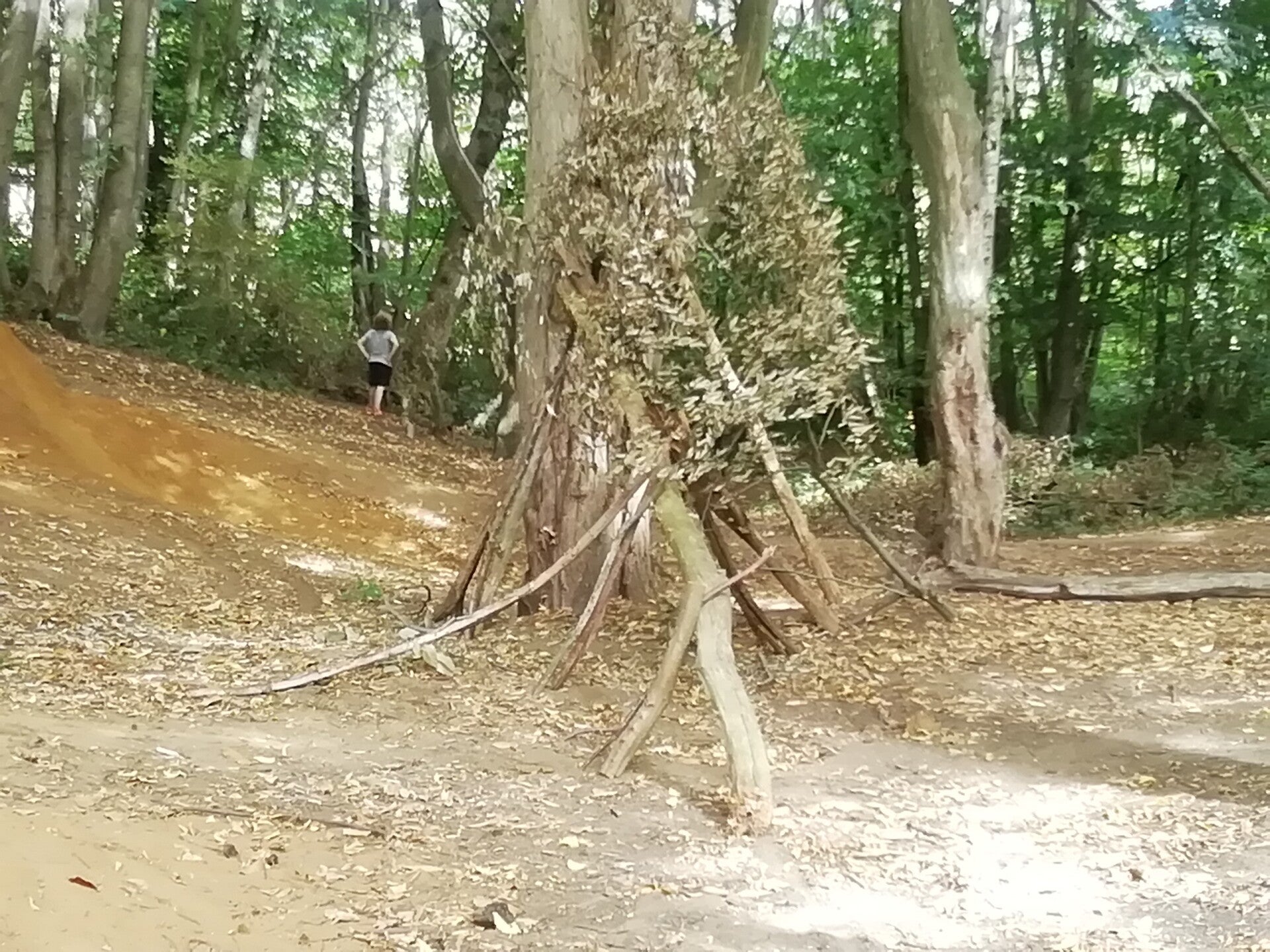
What is bushcraft and survival?
The word 'bushcraft' is a recently penned word that arose in the nineteenth-century British colonies, notably Australia and South Africa. It combines the words "bush" (from the Dutch bosch, meaning untamed wilderness) and "craft" (a specialised skill or trade). The word directly refers to the talents needed to survive and prosper in the wild.
However, the practice of bushcraft itself has been a daily necessity for most of human history. Hunter-gatherers, such as Mesolithic tribes in the UK and Indigenous cultures throughout the world, are examples of early hominids and ancient peoples who were totally dependent on their local environment. They transmitted in-depth knowledge of the weather, animals, plants, and wildlife. During this time, the core skills of bushcraft evolved, including tracking animals, building natural shelters, producing fire and knapping stones to create very crude cutting tools.
In modern times, there are still "primitive" tribes that have retained their connection with their ancestors, such as the Aboriginals of Australia and tribes inhabiting parts of the African continent.
However, in the more developed parts of the Western world, such as Europe and North America, the practice of bushcraft and survival has become all but forgotten, with the exception of those who practise it more as a hobby than a necessity.
For many of us, we have become so accustomed to the cake aisle in our local supermarket; many have no clue as to where fresh produce and frozen chicken come from. If things were to dramatically change, there are those who would undoubtedly struggle with the concept of hunting and farming. This can be very detrimental to our survival when national emergencies occur, such as when the very recent COVID-19 global pandemic reached our shores and wiped out a huge portion of the entire world human population. Having a backup plan is very important, and you only have to look at human history to see this is alarmingly more common than we'd care to admit. Bushcraft and survival are skillsets that must NEVER be forgotten.
In the modern world, bushcraft and survival have different meanings. They are about thriving in tough situations—whether it’s surviving a plane crash in a remote area or handling smaller challenges like building a shelter or making a fire. The key mindset is always the same: STAY CALM and THINK.
Many people that I have discussed bushcraft with in the past typically arrive at the same reasons for learning. I suspect that if you’re exploring the “dying” art of bushcraft and survival, it’s likely because something you saw or experienced sparked your interest—maybe you had to start a fire or find shelter unexpectedly. Does this sound familiar? Whatever your reason, my goal is to help you become a confident survivor with the peace of mind that comes from the knowledge I’ll share.
You might already be experienced and just want to sharpen your skills or learn new aspects of bushcraft. No matter why you found this site, there’s something here for you.
As any seasoned survivalist knows, “the more you know, the less you carry; however, you may also start thinking about the “what ifs” as you consider WHAT you carry daily.
Bushcraft is the skill and art of living well in nature. It involves learning how to find food and water, build shelters, and make fire. It’s about adapting to your environment and circumstances until you’re safe to return home. For example, knowing how to start a fire with basic tools or natural materials.
Survival is about staying safe in dangerous situations. It could be something simple, like crossing a busy road safely, or a major disaster, like a plane crash or a natural catastrophe. Survival means prioritising your needs—like calling for help, finding shelter, or staying warm—until the danger passes or help arrives.
Disasters can come from nature (storms, floods) or human causes (war, accidents). Unfortunately, many people believe “it won’t happen to me", but being prepared means thinking ahead and taking responsibility for your safety.
Preparedness isn’t simply about knowing everything but learning to adapt. There are many ways to start a fire or build a shelter—if one method fails, try another. This knowledge doesn’t come from reading alone; you need to practise in the real world. In bushcraft, this is called “dirt time”—time spent learning and practising outdoors.
Use this website to learn and practise skills that will help you stay ready for whatever challenges may come—hopefully, ones you never face.