

Knife safety
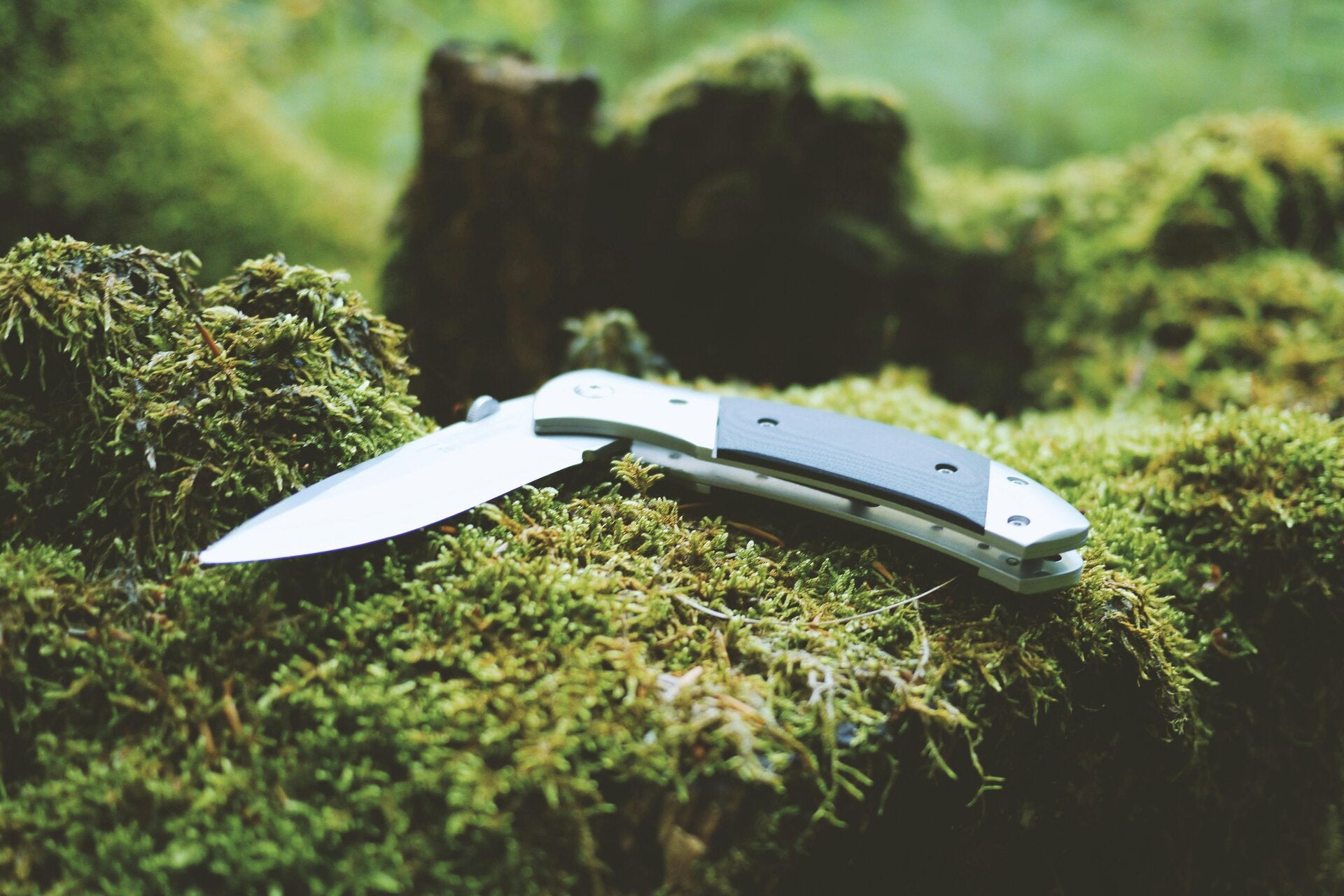
Mastering bushcraft knife safety relies on situational awareness, correct body mechanics, and a few golden rules to prevent serious injury. [1, 2]
The Golden Rules
- Maintain a Blood Circle: Before starting, extend your arm and rotate in a full circle with the knife out. If you can touch anyone or anything (tarps, gear, or tree branches), they are too close. [1, 2]
- Avoid the Triangle of Death: Never carve towards the inner thighs, where major arteries are located. Carve off to the side, or work with forearms braced on your knees. [1, 2]
- Cut Away from Yourself: Always push or slice away from your body and your gripping hand. Let the blade do the work without forcing it. [1, 2]
- Sheath It: If you aren't actively using the knife, it should be fully inside its sheath. Never walk around with an unsheathed blade or stick it into a log to free up your hands. [1, 2]
Body Mechanics & Technique
- Sit Down When Possible: Sitting provides greater stability and control. Keep your legs out of the way or carve to the outer side of your legs.
- Control the Blade: Avoid pushing forcefully on the tip of the knife; use the centre/belly of the blade to slice.
- Never Catch a Falling Knife: If your knife slips, step back and let it drop. Do not try to catch it or stop it with your foot. [1, 2, 3, 4, 5]
Tool Maintenance & Etiquette
- Keep it sharp: A dull knife requires excessive force, leading to dangerous, uncontrolled slips. [1, 2]
- Safe Passing: When handing a knife to someone else, hold it vertically with the blade facing away from you (sharp edge facing the sky/out) and do not let go until they have a firm grasp on the handle. [1]
- UK Law Reminder: If practising in the UK, ensure you have a "good reason" (such as being on private land for bushcraft) to carry a fixed-blade knife. [1, 2, 3]