

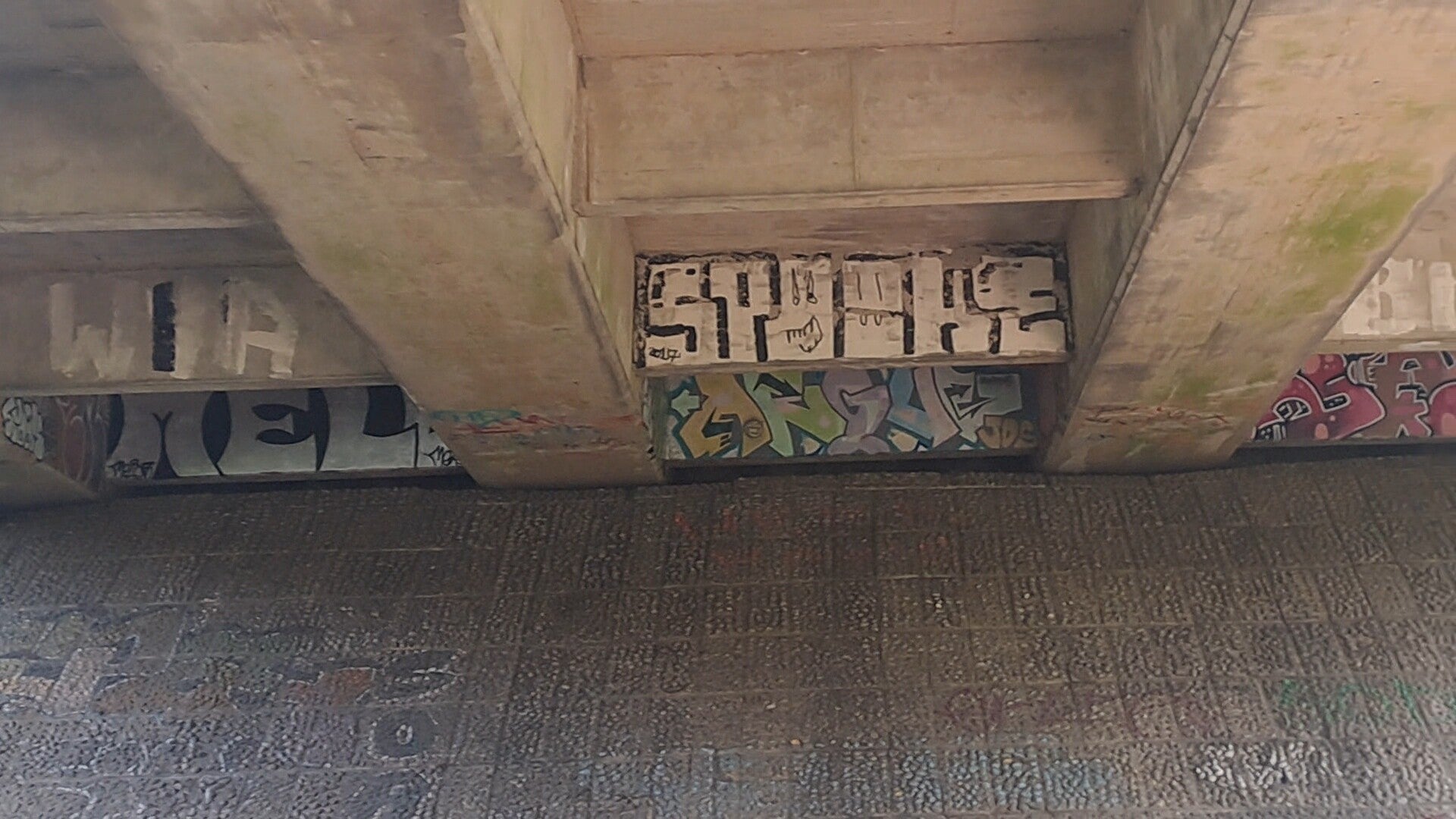
Emergency man-made shelter
SOURCE
In a survival situation, urban structures can offer immediate protection against the elements, but they come with severe risks. Bus shelters provide the best balance of visibility, weather protection, and short-term utility. Underpasses, car parks, and bridges are highly dangerous due to wind funnelling, traffic, and legal trespassing. [1, 2, 3]
Breakdown of Urban Survival Shelters
1. Bus Shelters (Recommended for Short-Term) [1, 2]
- Pros: Provide transparent walls to block the wind, are typically positioned in lit areas, and are legally accessible to the public.
- Cons: Often have open or slatted benches, making it hard to lie down.
- Survival Tip: Position yourself away from the direct wind path. If the shelter has a bin, use cardboard or newspaper as insulation against the metal or plastic seat. [1, 2, 3, 4, 5]
2. Shop Doorways (High Risk of Eviction) [1]
- Pros: Usually covered, somewhat protected from overhead rain, and recessed from street winds.
- Cons: Sleeping here is often illegal (trespassing/loitering), and you will likely be moved on by local police or private security.
- Survival Tip: Only use for brief, necessary rests; pack up and move if disturbed. [1, 2]
3. Bridges & Overpasses (Life-Threatening Traps) [1]
- Pros: Offer an overhead roof and sometimes a concrete corner to block rain.
- Cons: Never shelter directly under an overpass in high winds or storms. The "wind tunnel effect" severely accelerates wind speed and flings trapped debris directly at you.
- Survival Tip: If you must use a bridge for overhead cover, stay clear of the central opening where winds are funnelled. [1, 2]
4. Underpasses (High Health Hazards) [1]
- Pros: Shield you entirely from rain, wind, and snow.
- Cons: Underpasses are damp, carry risks of flash flooding, and act as wind funnels. They are also common hotspots for urban ASB (anti-social behaviour).
- Survival Tip: Stay on elevated ledges rather than the floor to avoid freezing ground-water or runoff. [1, 2, 3, 4, 5]
5. Car Parks
- Pros: Enclosed car parks (especially multi-storeys) provide complete protection from the weather, though open-air decks expose you to the elements. [1]
- Cons: Open car parks are major wind traps. Enclosed car parks require trespassing on private property, and running car engines introduce carbon monoxide risks.
- Survival Tip: Seek out stairwells or utility closets that are out of public view rather than sitting in the exposed driving lanes.
Critical Local Survival Rules (UK)
- Stay Warm: If exposed to UK winter temperatures, your primary killer is hypothermia. Never sleep directly on cold concrete; use bags, cardboard, or any dry material to insulate your body. [1, 2, 3, 4]
- Report or Seek Help: If you or someone you are with is in an emergency situation and requires immediate accommodation, you can contact the local council for emergency housing. [1]
- StreetLink: In England, if you spot someone rough sleeping in severe weather, you can alert the StreetLink outreach service so local teams can connect them with emergency accommodation. [1]