

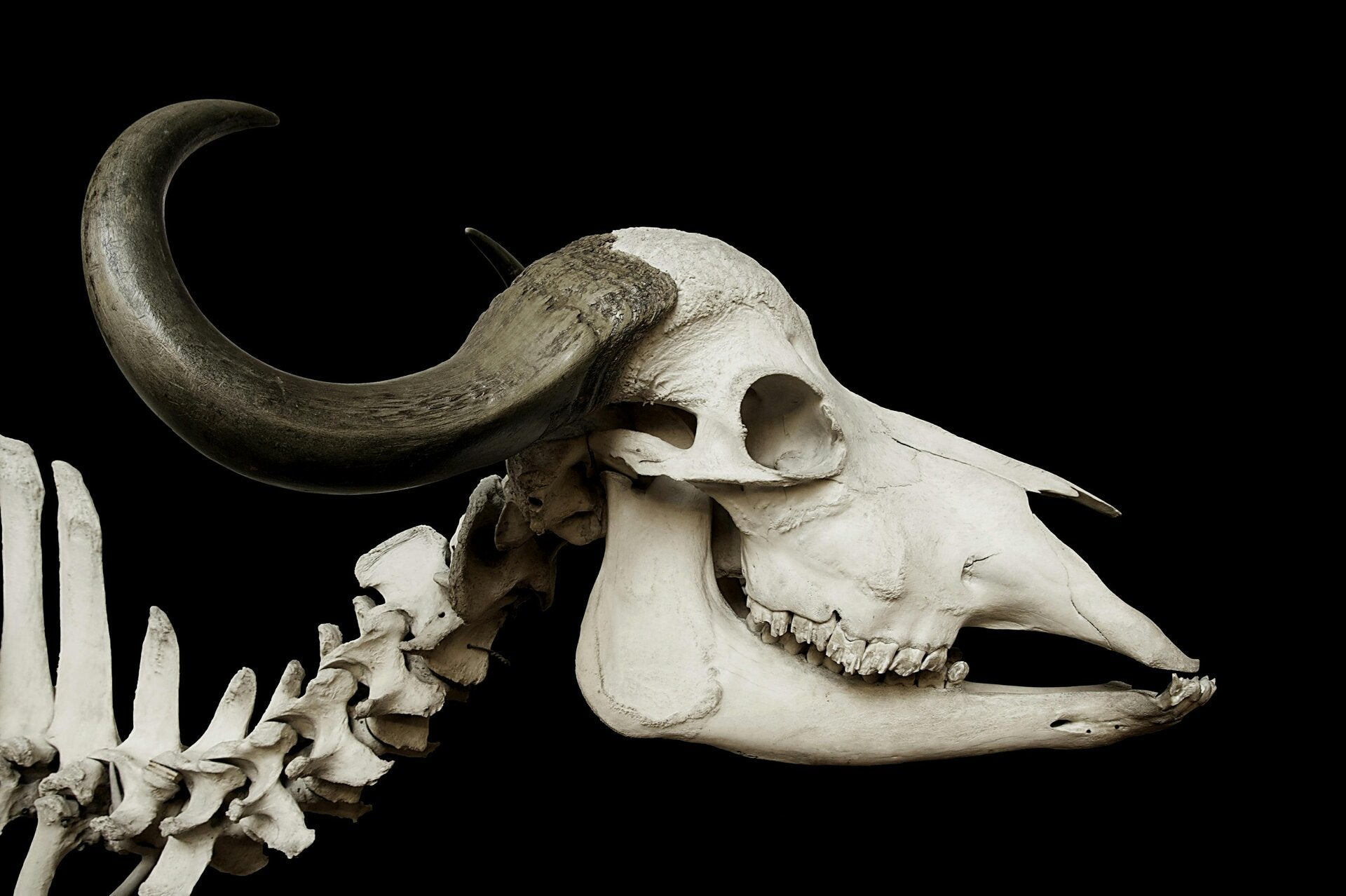
Bone
In a UK wilderness survival situation, bones are highly versatile resources. They can be broken to create sharp, heavy-duty cutting blades, fashioned into small fishing hooks and sewing needles, boiled to extract life-saving calories and marrow, and used as sturdy, friction-resistant sockets for bow-drill fire kits. [1, 2, 3, 4]
A full list of practical bone uses in a survival scenario includes the following:
1. Tools & Weapons
- Cutting Tools: Shattered long bones (e.g., deer or sheep leg bones commonly found in the UK) yield incredibly sharp, serrated splinters that can be used as disposable knife blades, skinning tools, or spearheads. [1, 2, 3]
- Fishing & Hunting: Small bone splinters can be carved into gorge hooks for fishing or harpoon points for trapping small game. [1]
- Cordage & Sewing: The shafts of bones can be ground into sturdy sewing needles (often called awls) to patch clothing or construct shelters from hides. [1, 2]
2. Nutritional Extraction
- Bone Marrow: Bones from larger animals can be cracked open using a heavy rock to expose the calorie-dense, fat-rich marrow inside.
- Bone Broth: Boiling crushed bones in water for 12 to 24 hours slowly extracts remaining fats, proteins, and minerals (like calcium and phosphorus) to create a highly nourishing soup base. [1, 2]
3. Firecraft
- Fire Board Sockets: The flat, durable socket of a hip or shoulder bone makes an excellent bearing block for a bow drill fire-friction set. It will not wear out as quickly as a softwood bearing block. [1]
- Fuel: In wood-scarce coastal or upland environments, dry animal bones make a surprisingly effective fuel source to sustain a cooking or warming fire, as the residual fat inside burns readily. [1, 2]
4. Utility & Medical
- Digging Sticks: Large, flat bones, like a deer or sheep's scapula (shoulder blade), can be bound to a sturdy branch to create a makeshift shovel for digging water holes or clearing ground. [1]
- Splints & Braces: In a medical emergency, long intact bones can be laid alongside broken limbs as rigid splints and lashed together using paracord or natural cordage. [1, 2]
- Containers & Buttons: Hollow, cut bone sections can act as toggles, buttons, or small containers for storing tinder or fat.
Many of these ancient methods are still actively taught by wilderness experts in the UK, such as those demonstrated by Woodland Ways Bushcraft. [1]