

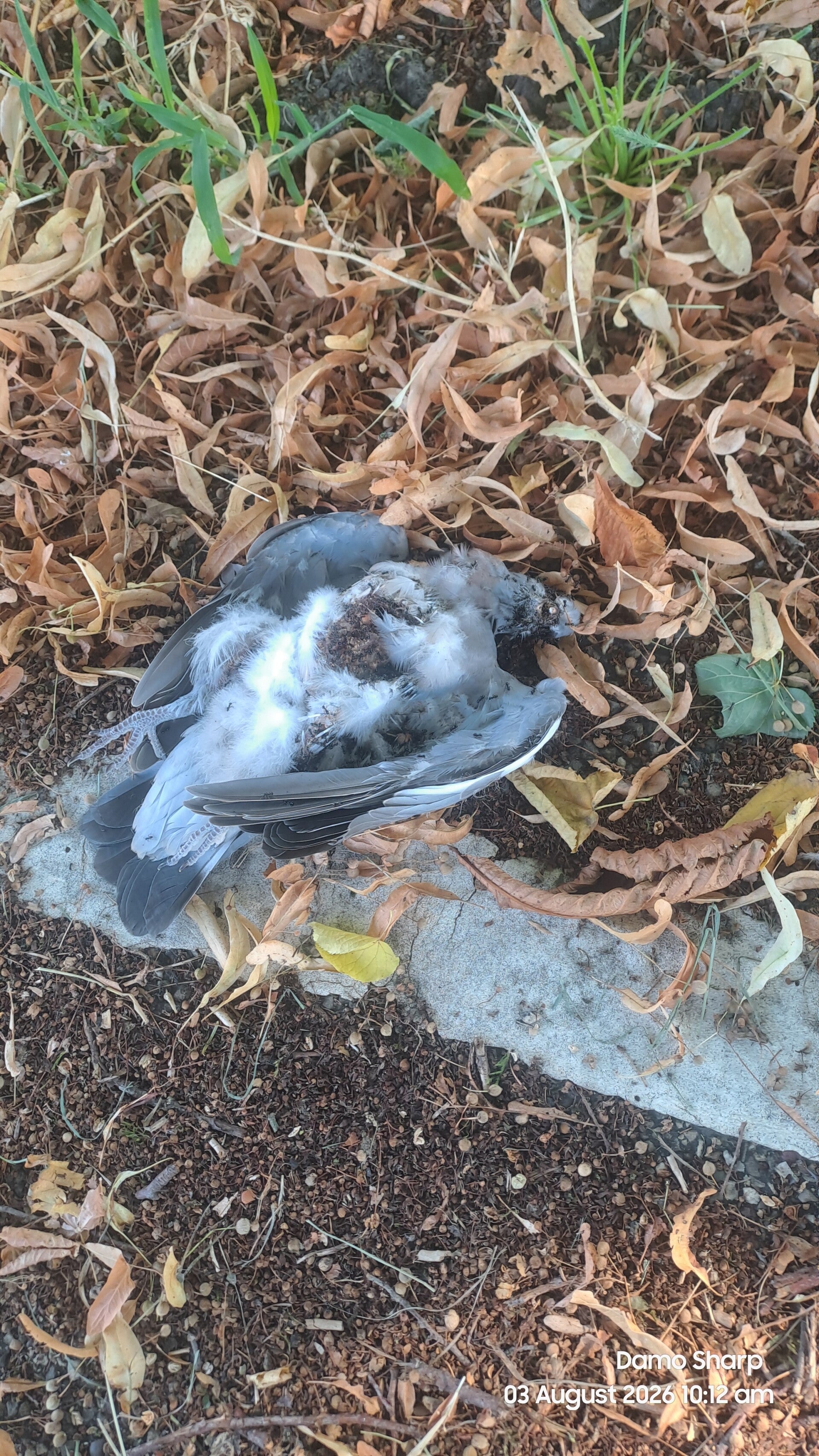
Roadkill laws
It is legal to take and eat wild roadkill in the UK, provided you were not the driver who hit the animal. Under the Road Traffic Act and common law, it is illegal for a driver to take an animal they personally struck. This law exists to prevent people from intentionally using vehicles to poach or kill wildlife. [1, 2, 3]
However, a third party who finds the dead animal afterward may legally harvest and consume it. [1, 2]
The Legal Framework
- Intentional vs. Unintentional: The animal must have been killed accidentally. Intentionally hitting an animal is considered poaching or animal cruelty. [1, 2, 3]
- Ownership of Wild Animals: In the UK, unconfined wild animals (like wild deer, rabbits, and pheasants) are not legally owned by anyone while alive. Once dead on a public road, they technically become the property of the highway authority or local council. In practice, councils do not object to individuals removing carcasses from public highways. [1, 2, 3]
- Commercial Restrictions: It is strictly illegal to sell roadkill for commercial public consumption. It can only be consumed personally. [1, 2]
Critical Legal Exceptions
- Farmed Livestock and Domestic Pets: You cannot harvest sheep, pigs, cows, dogs, or cats. These are private property, and taking them constitutes theft. Accidents involving these animals must be reported to the police. [1, 2, 3]
- Fully Protected Species: You cannot harvest or possess legally protected species, such as badgers, birds of prey, or swans. Possessing a dead badger or a protected bird, even if killed by a car, can result in severe prosecution unless you can prove you had zero involvement in its death. [1, 2, 3, 4]
- Land Boundaries: If the animal was struck on a road but managed to cross onto enclosed private property before dying, it belongs to that landowner. Stealing it from private land is trespassing and poaching. [1, 2, 3]
Health and Survival Warnings
While legal for survival, the Food Standards Agency advises strongly against eating roadkill for several critical health reasons: [1]
- Internal Contamination: High-impact vehicle collisions frequently rupture the animal's digestive tract. This leaks faeces, urine, and harmful bacteria (like E. coli) directly into the surrounding muscle meat, rendering it toxic. [1, 2, 3]
- Parasites and Disease: Wild animals often carry severe internal parasites, ticks, fleas, or diseases (such as tuberculosis in badgers or myxomatosis in rabbits). [1, 2, 3]
- Time and Spoiling: Unless you witness the accident, there is no definitive way to know how long the carcass has sat by the road. Bacteria multiply exponentially in warm weather or sun exposure. [1, 2]