

Plants for navigation
SOURCE
In the UK, natural navigation relies on observing how plants and mosses respond to sunlight and prevailing weather. Rather than providing an exact compass bearing, indicator species—like mosses, ivy, and sun-loving flowers—offer clues about general orientation by revealing which directions receive the most sunlight, moisture, and wind. [1]
Indicator Plants and Growth Patterns
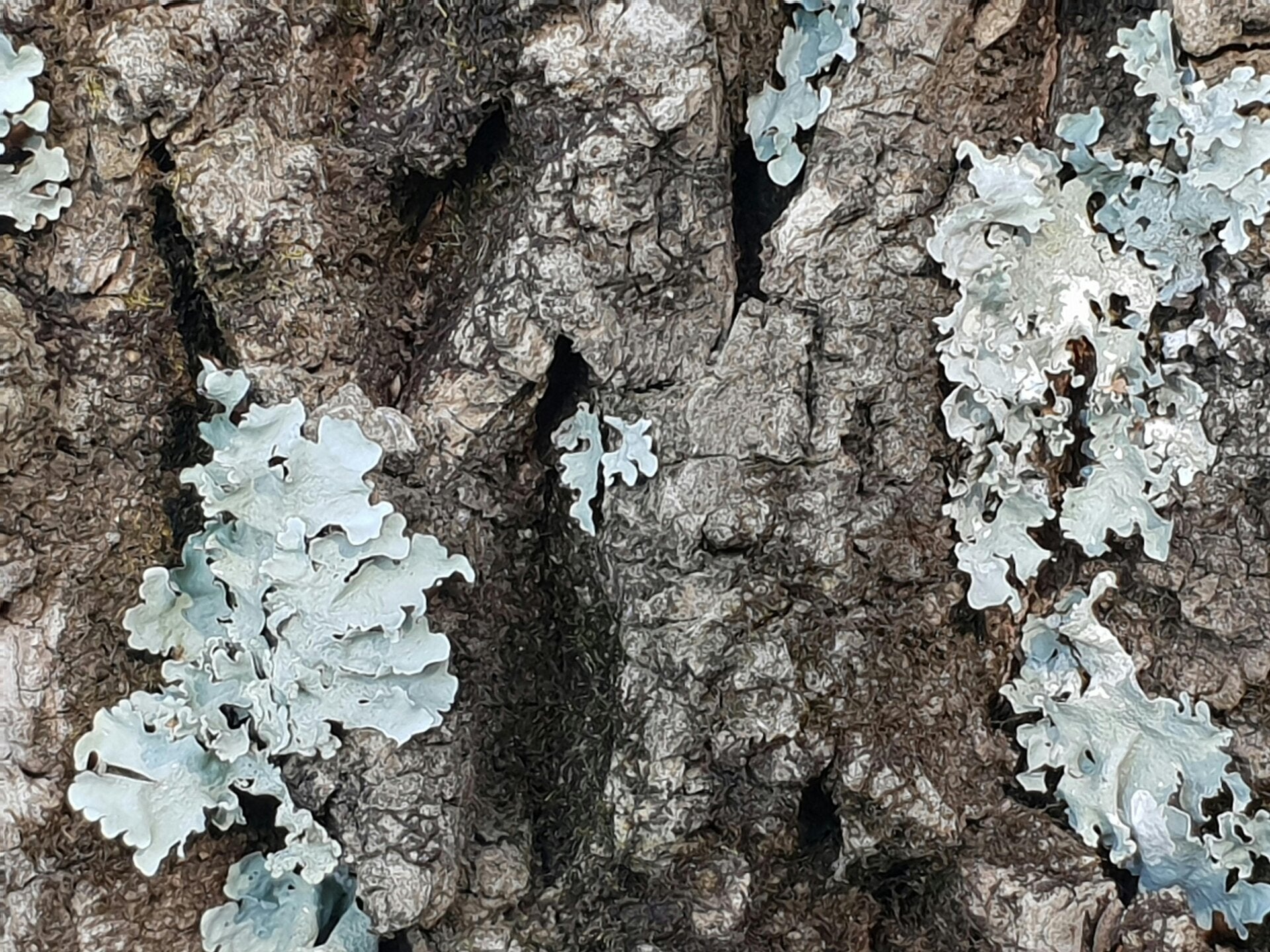
- Mosses and Liverworts: In the UK, the northern hemispheres dictate that north-facing sides of trees, rocks, and hillsides receive the least amount of sunlight, making them colder and damper. Mosses thrive in these conditions, meaning thick moss patches often indicate a general northerly direction. However, avoid relying on this solely, as heavy shade or moisture can cause moss to grow on all sides of a tree. [1, 2]
- Ivy Growth: Common ivy (Hedera helix) will preferentially grow up the side of a tree or wall that provides protection from the prevailing south-westerly winds. This means heavy, dense ivy growth on the wind-shielded side can act as an indicator of an easterly or north-easterly orientation. [1]
- Berry-Bearing Shrubs: Bushes such as gorse or blackberries produce fruit on their warmest, most sun-exposed side. In the UK, this indicates the southern or south-western exposure. [1]
- Ferns and Grasses: In open moorlands and woodlands, grass grows thicker, taller, and greener on the south-facing slopes, where the sunlight exposure is at its peak. Ferns will also orient their fronds toward the sun, making south the general direction of their optimal growth. [1]