

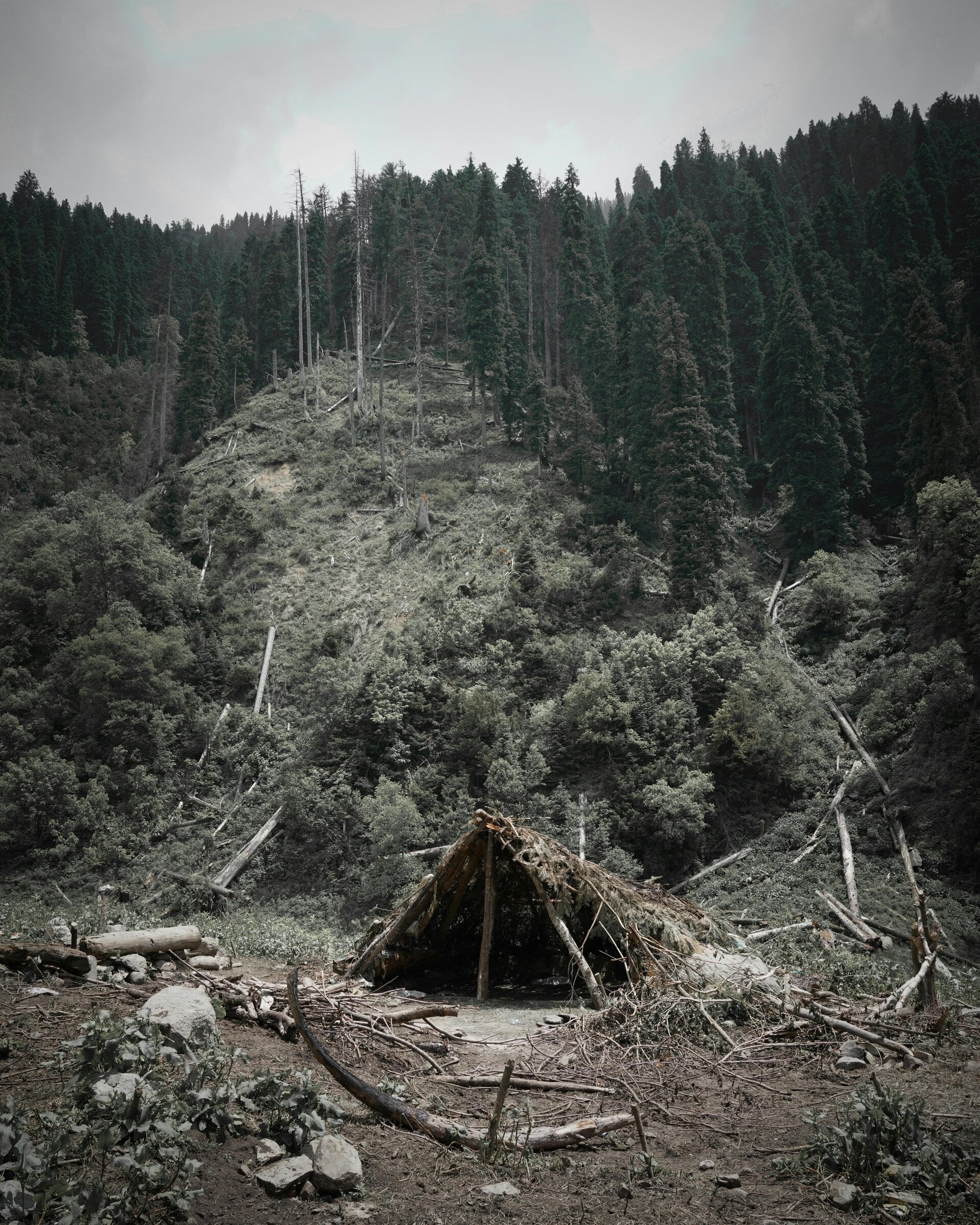
Plants for shelter
In the UK, the most effective plants for survival shelters include cattail (for insulation and thatch), hazel and willow (for frames and bindings), and stinging nettle (for cordage). These plants provide the structural skeletons, lashings, and waterproof insulation needed to survive outdoors. [1, 2, 3, 4, 5]
Key Survival Plants and Their Uses
- Cattail / Reedmace (Typha):
- Stinging Nettle (Urtica dioica):
- Hazel (Corylus avellana):
- Willow (Salix):
- Lashings & Weaving: Like hazel, young willow switches can be bent without snapping, making them ideal for lashing structural poles together or weaving wattle-style windbreaks. [1]
- Bramble / Wild Blackberry (Rubus fruticosus):
- Bracken (Pteridium aquilinum):
A Note on Harvesting and Law
In the UK, foraging and harvesting branches or plants for a genuine emergency is generally understood as a survival necessity, but under normal circumstances, you must respect the Countryside Code and the Wildlife and Countryside Act. It is highly illegal to uproot any wild plant without landowner permission. For non-emergencies, practise bushcraft on privately managed land or seek permission first.