

Plants for tools
The UK countryside provides a wealth of wild flora perfectly suited for crafting essential survival tools. Key plants like stinging nettle, bramble, willow, and clematis can be harvested and processed to create everything from strong cordage and shelters to friction fire sets. [1, 2, 3, 4, 5]
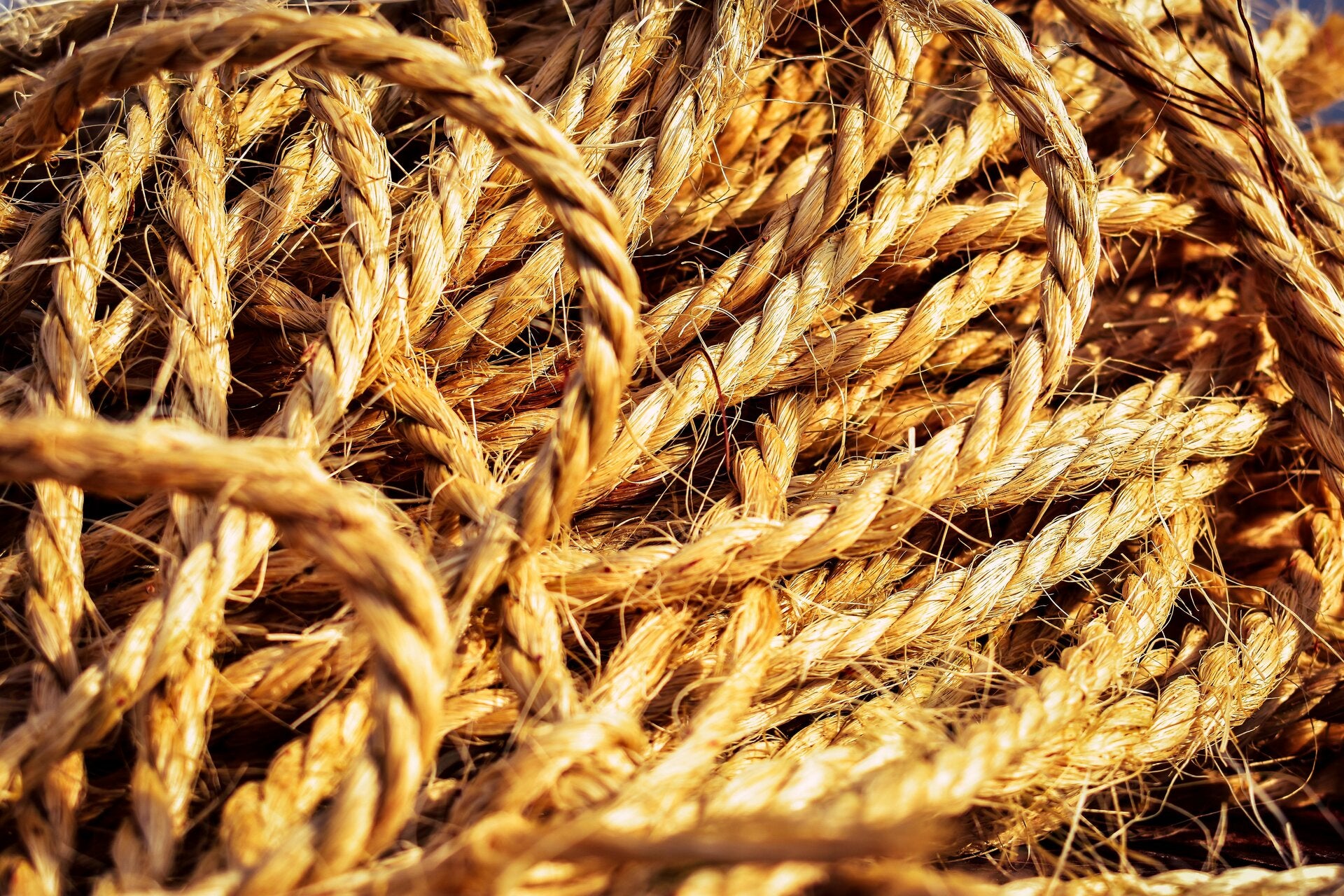
1. Cordage, Lashings, & Netting
String and rope are the foundation of wilderness survival, used for building shelters, making traps, and as fishing lines. [1]
- Stinging Nettle (Urtica dioica): Widely regarded as the premier plant for natural cordage in the UK, nettle's inner fibres are incredibly strong and flexible. After harvesting the tall, straight, dead or dried stalks in late summer/autumn, the outer bark is peeled away and twisted into durable, long-lasting string. [1, 2, 3, 4, 5]
- Bramble (Rubus fruticosus): The long, trailing runners of brambles (blackberries) make excellent, tough lashing material. In late spring or early summer, the flexible canes can be stripped of thorns and split to weave rigid baskets or create heavy-duty bindings. [1, 2]
- Willow (Salix): The young, supple shoots of various willow species are highly flexible and are the traditional material for weaving, crafting fish traps, and creating sturdy shelter frames. [1]
2. Friction Fire Sets
Starting a fire without matches requires the right wood types for your hearth board and drill spindle.
- Ivy (Hedera helix): The dead, dry, standing stems of large ivy are highly regarded by bushcraft experts as one of the best UK materials for bow drill spindles and hearth boards due to its low density and friction-friendly properties.
- Hazel (Corylus avellana): Dead, dry hazel wood is excellent for the drill or the bow itself, providing a strong, lightweight shaft that won't easily snap under pressure.
- Clematis / Traveller's Joy (Clematis vitalba): Dry, dead stems of this climbing vine make exceptional hearth boards in a pinch, as they produce a great ember when paired with a harder spindle. [1, 2]
3. Digging Sticks & Stakes
- Ash (Fraxinus excelsior): Known for its shock resistance and strength, fresh ash wood is perfect for carving digging sticks to uproot edible roots (like burdock or dandelion) or fashioning tent stakes. [1]
- Hazel (Corylus avellana): Easily coppiced and shaped, hazel is perfect for carving strong pegs, pot hangers, and toggle buttons for fastening clothing.
4. Tinder Bundles
To catch a spark and blow it into a flame, you need fibrous, dry plant material.
- Clematis (Clematis vitalba): The inner bark of dead clematis stems can be scraped and teased into a fluffy, bird-nest-like tinder bundle that readily catches a spark. [1]
- Rosebay willowherb (Chamerion angustifolium): The fluffy seed heads of late-summer willowherb burn very quickly and are fantastic for catching a spark in a tinderbox.