

Survival Camping laws
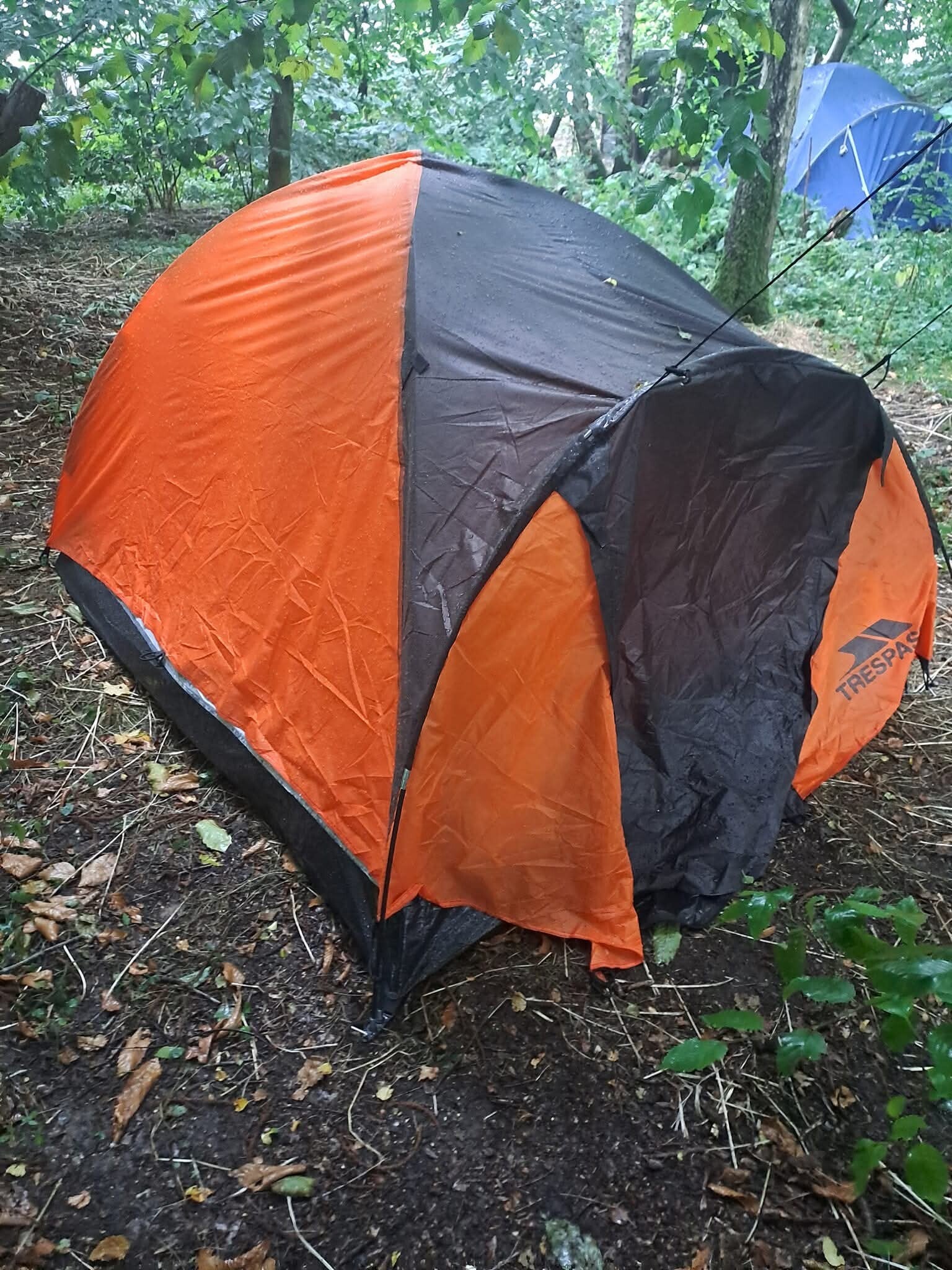
Under UK law, the right to build a survival shelter depends heavily on land ownership and specific legislation. Building on private land without express permission constitutes trespass. [1, 2]
England & Wales vs. Scotland
- England & Wales: The “Right to Roam” under the Countryside and Rights of Way (CRoW) Act allows walking but not building structures, foraging, or wild camping without private landowner consent. The only exception is Dartmoor, where a historic court ruling generally permits wild camping, but even this does not extend to building permanent or destructive survival shelters. [1, 2, 3]
- Scotland: The Land Reform (Scotland) Act 2003 grants a robust "right to roam". You can camp on most unenclosed land, but this is legally limited to temporary stays. Constructing long-term shelters or cutting live wood is prohibited, and you must adhere to "leave no trace" principles. [1, 2, 3]
Bushcraft and Survival Rules
- Cutting Materials: Using live wood or digging into the ground to create a shelter generally breaches both the Forestry Act (damage to trees) and the Wildlife and Countryside Act. [1, 2, 3]
- No-Trace Shelters: Any temporary structure (such as a tarp or basha) must be taken down completely upon departure, and natural materials should be minimal and scattered so the area looks untouched. [1, 2]
- Carrying Equipment: Be aware that the Criminal Justice Act 1988 restricts carrying fixed-blade knives in public without a "good reason", such as legitimate bushcraft or work. [1, 2]
Emergency Shelter
If you are asking about emergency accommodation due to homelessness or displacement, local councils have a statutory duty under the Housing Act 1996 to secure emergency shelter for individuals in priority need. This must meet minimum habitability and suitability standards. [1, 2, 3, 4, 5]